Capsules
Oral Research Compound Capsules — United States
Capsules supply research compounds pre-measured, which removes reconstitution from the workflow entirely — no vehicle, no reconstitution volume, no post-reconstitution stability window to track. What it does not remove is the need to know how much compound is in each unit, and it arguably raises the stakes on that question: with powder a researcher can weigh, and with capsules there is no point at which the labelled quantity is independently confirmed on the bench.
Measured content per lot is therefore the figure that matters most in this format, and it is published for every batch alongside purity.
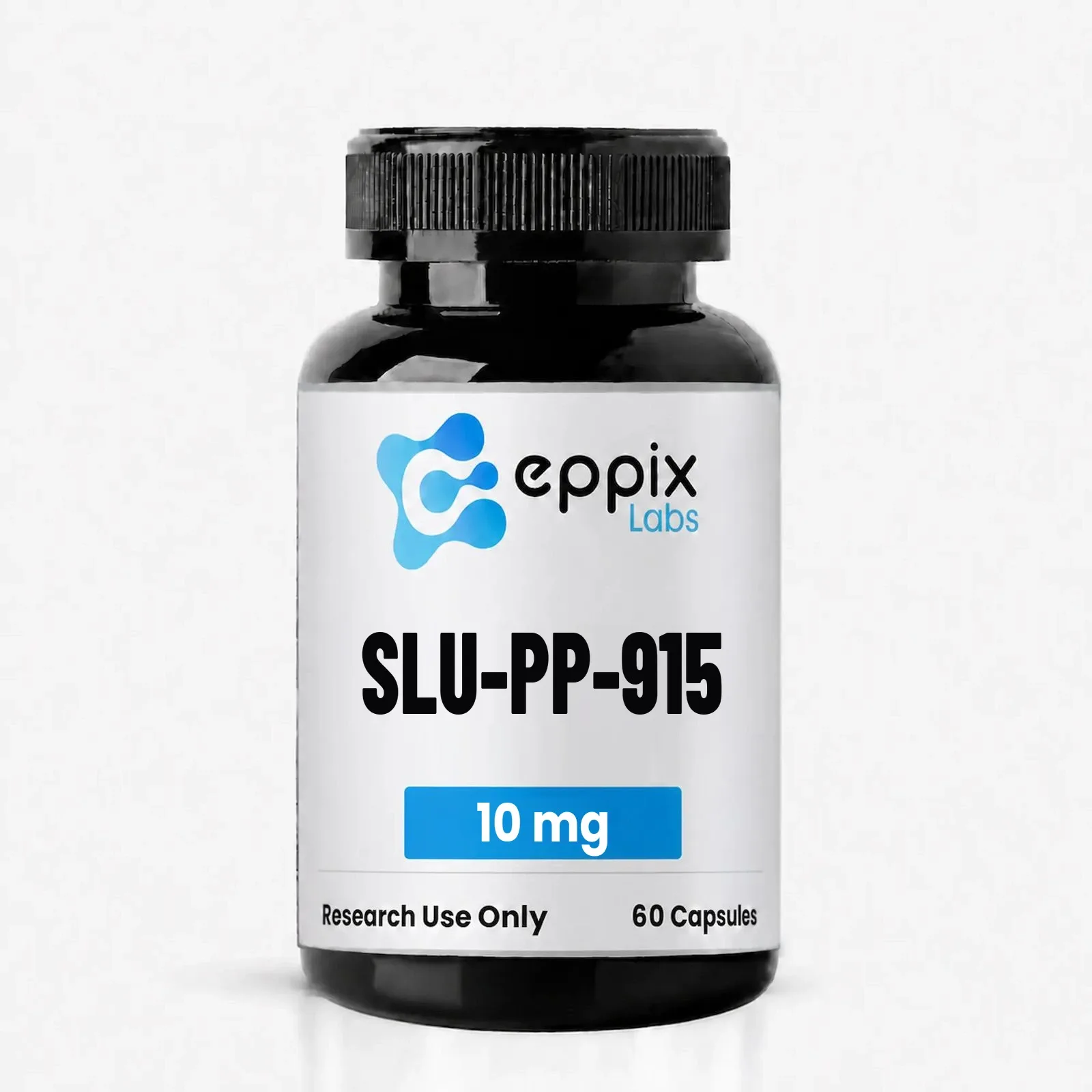
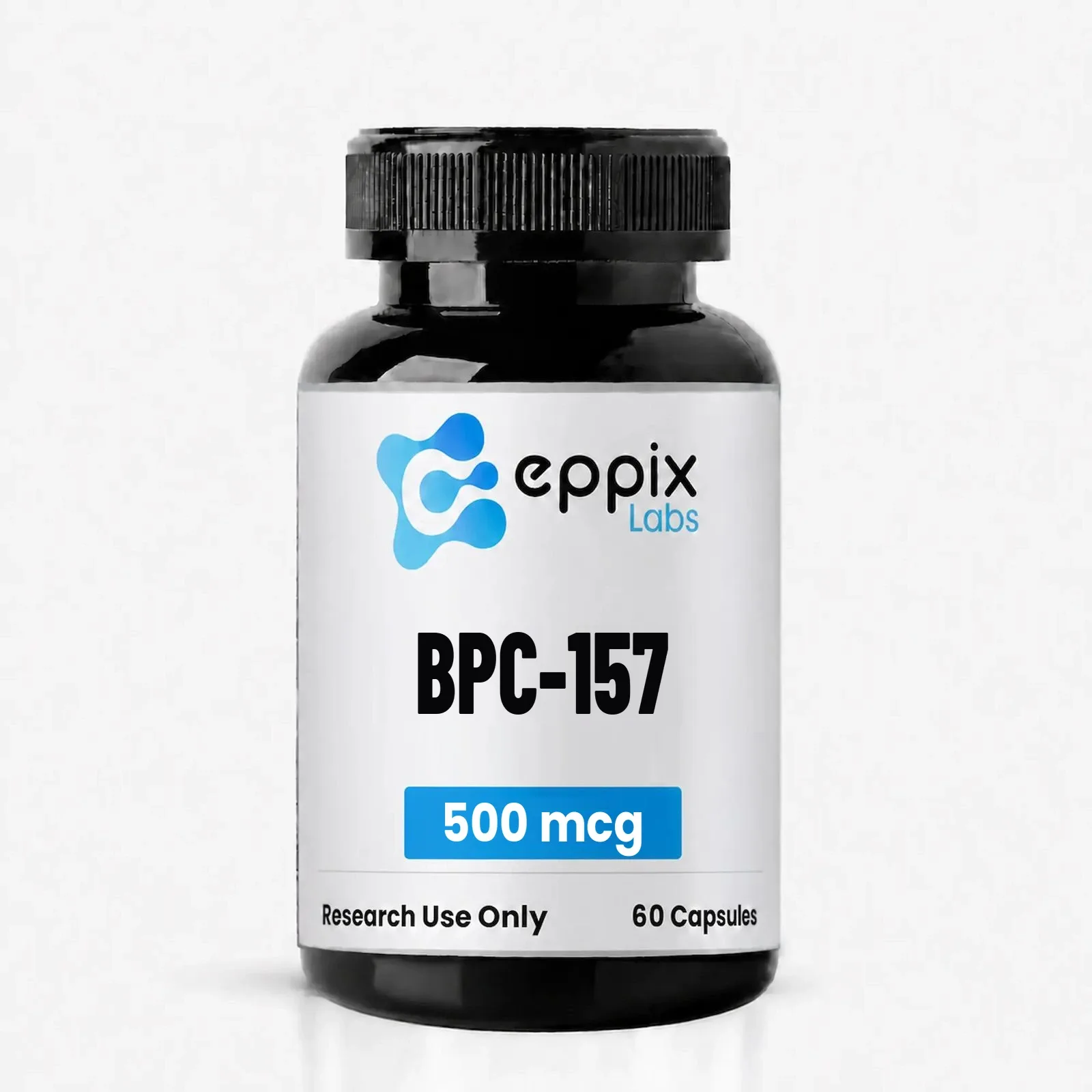
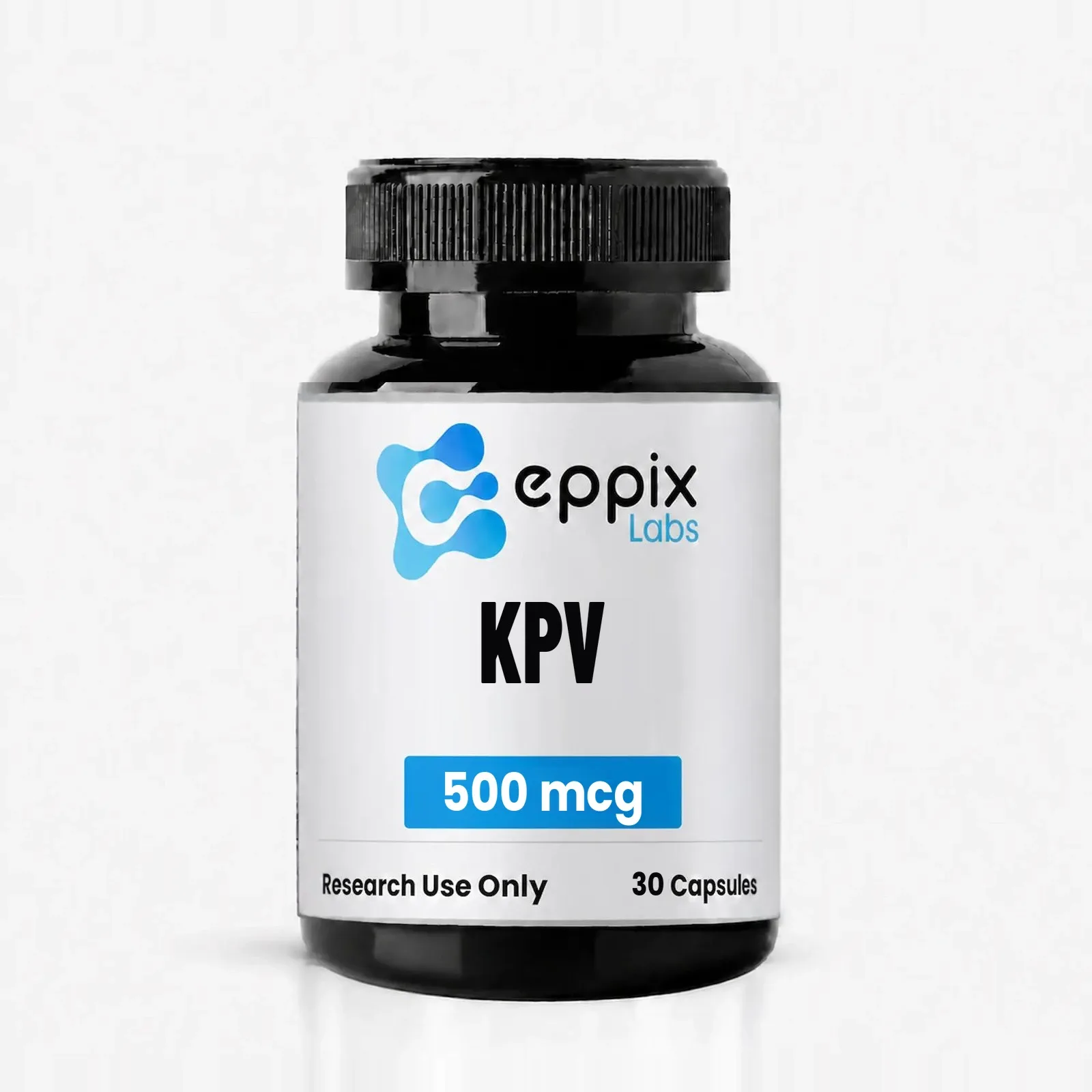
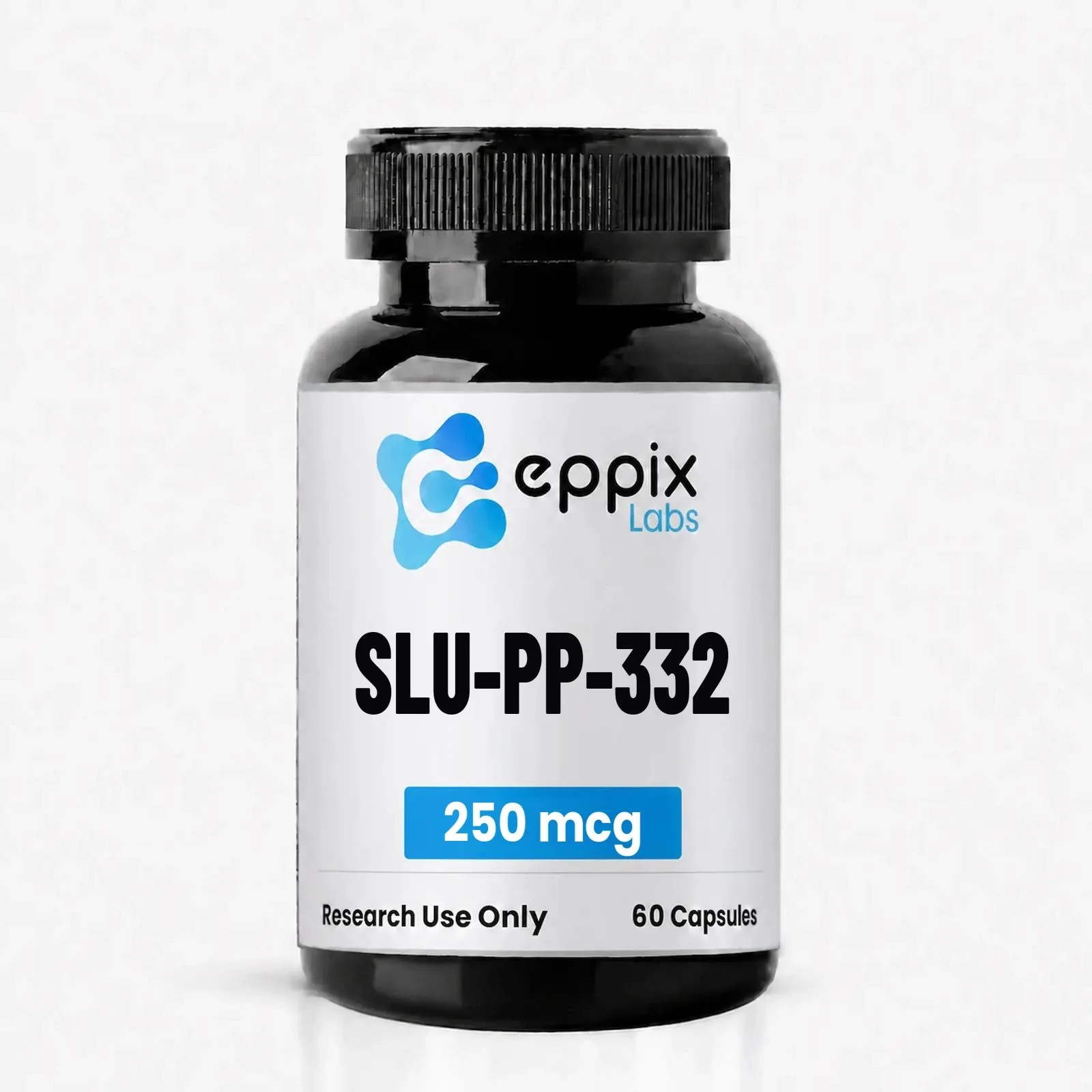
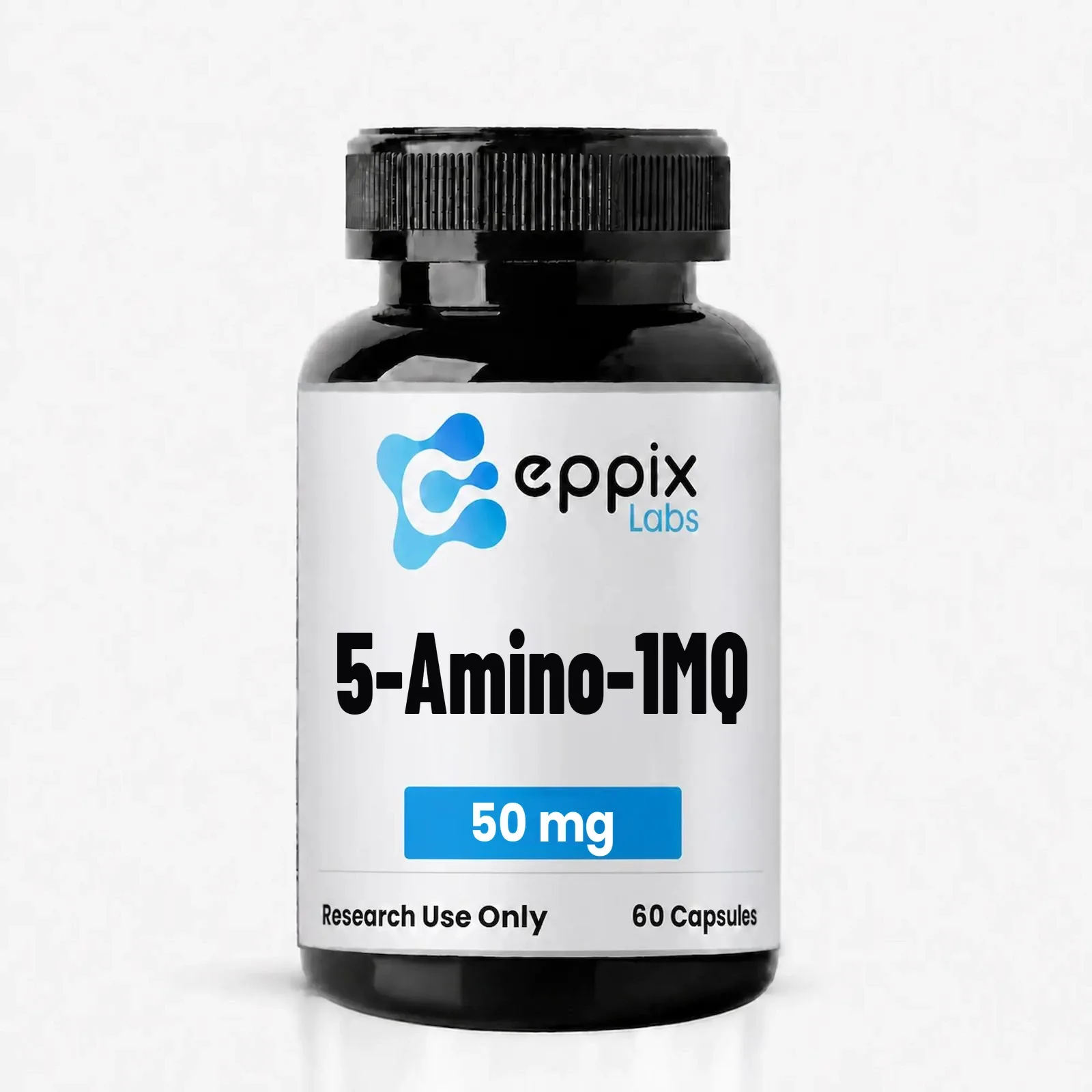
Not everything in this category is a peptide. 5-Amino-1MQ is a small-molecule NNMT inhibitor and SLU-PP-332 is an ERR agonist. Their product pages classify them correctly rather than letting the surrounding catalog imply otherwise. BPC-157 and KPV capsules contain the same peptides supplied as powder elsewhere on the site, and share that literature.
Storage differs from the vial formats in one practical respect: capsule shells are hygroscopic, so containers should be kept sealed rather than decanted. Supplied strictly for laboratory research, shipped domestically within the United States.
In this category: BPC-157 Capsules · KPV Capsules · 5-Amino-1MQ · SLU-PP-332
What to check before buying capsules compounds
Purity is half the number. A purity figure tells you what fraction of the powder in the vial is the compound on the label — it tells you nothing about how much powder is in the vial. A lot can assay at 99.8% purity and still be short against its labelled content.
Both numbers are published for every batch here: purity from HPLC, and measured mass against expected content. Match the batch code printed on the vial to the certificate before you rely on either.
Capsules research peptides — common questions
- What is different about an oral format?
- The material is already at its labelled quantity per capsule, so there is no vehicle to add, no reconstitution volume to record and no post-reconstitution stability window. It removes a handling step — and with it the point at which a researcher would independently confirm mass by weighing.
- If nothing is weighed on receipt, what confirms the content?
- The batch certificate, which is why it carries more weight in this format than for powder. The measured content published for the lot is the figure that answers the question, and it is published against the lot code printed on the bottle.
- How should capsules be stored?
- Sealed, cool, dry and out of direct light. Capsule shells are hygroscopic and pull moisture from the air, so the bottle should stay closed rather than being decanted into an open container. Humidity is the control here, not refrigeration.
- Is everything in this category a peptide?
- No. 5-Amino-1MQ is a small molecule characterised as an NNMT inhibitor, and SLU-PP-332 is likewise not a peptide. Both are listed here because of how they are supplied. Each product page states the compound class and molecular weight so the category name does not imply something the chemistry does not support.