

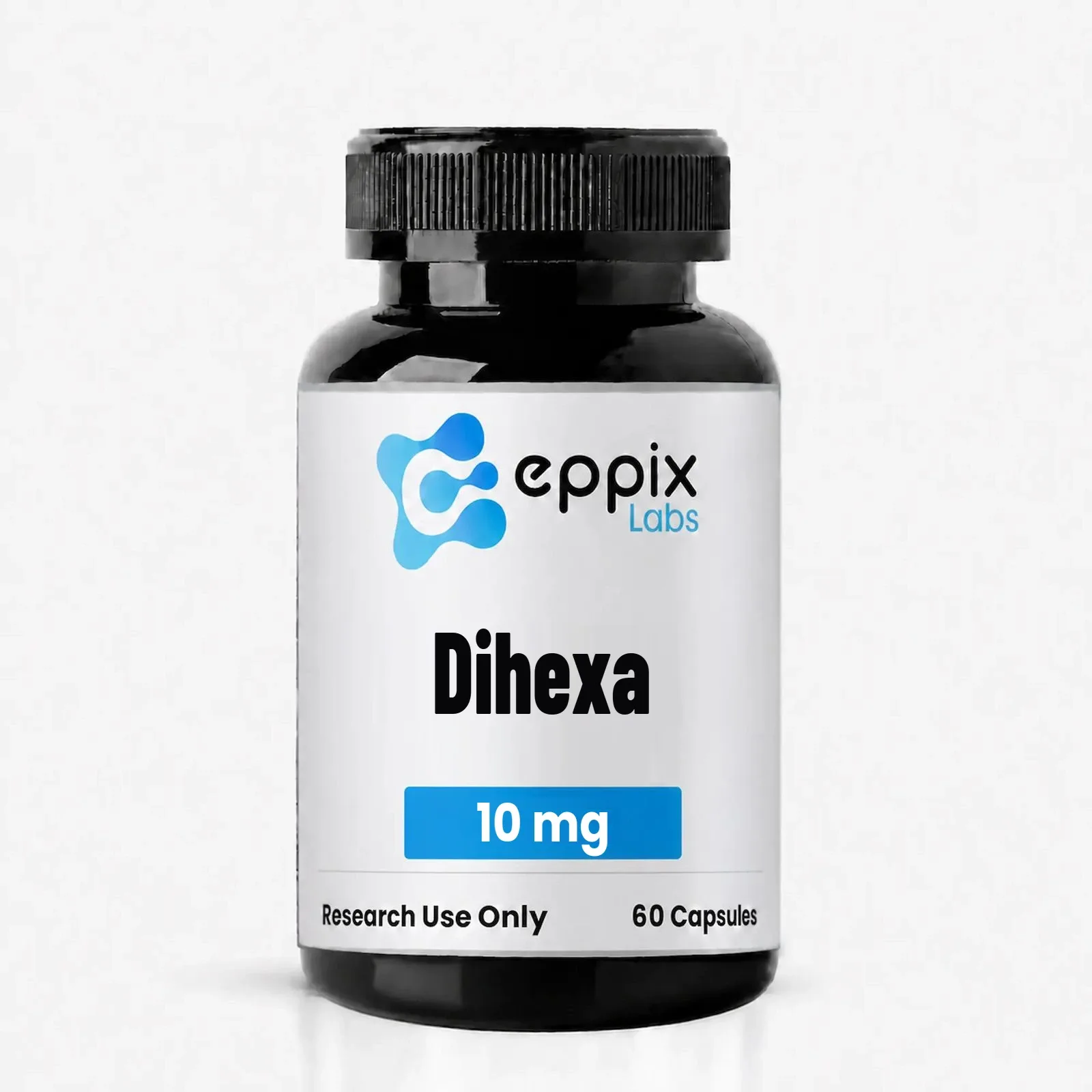
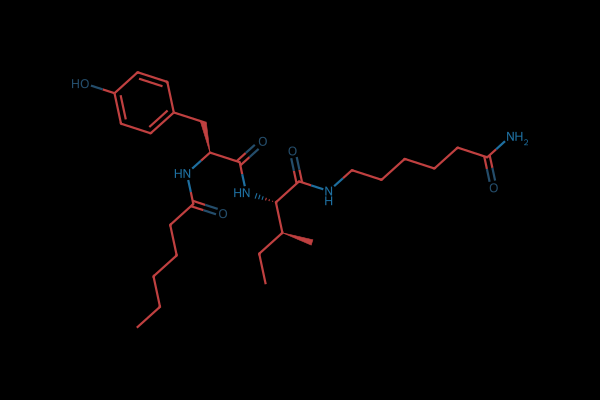
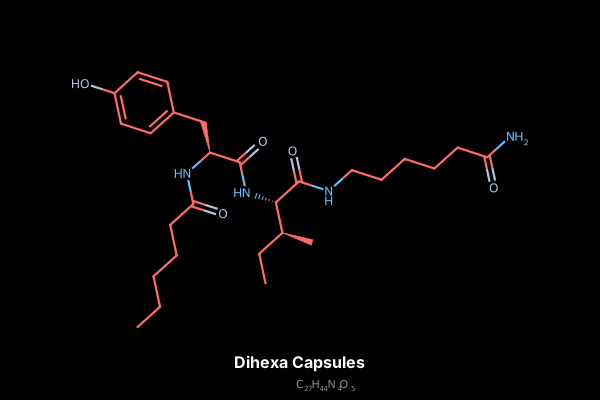
Dihexa Capsules
Angiotensin IV Analogue — Capsules
Also known as N-hexanoic-Tyr-Ile-(6) aminohexanoic amide
Dihexa is a synthetic angiotensin IV–derived peptidomimetic studied in research for procognitive and synaptogenic activity.
This product is intended strictly for laboratory research use within the United States. It is not approved by the FDA for the diagnosis, treatment, cure, or prevention of any disease. Not for human or veterinary use.
By purchasing, you confirm the material will be used solely for lawful research purposes in accordance with applicable U.S. federal, state, and local regulations.
Dihexa is a synthetic angiotensin IV–derived peptidomimetic studied in research for procognitive and synaptogenic activity.
Experimental models examine its interaction with the hepatocyte growth factor (HGF)/c-Met system under controlled laboratory conditions.
Third-party tested for purity, ID, quantity.
Coming Soon
The certificate of analysis for this lot is being finalised and will be published here as soon as the lab returns it.
Dihexa is a small-molecule analogue derived from angiotensin IV, characterized in research for its synaptogenic effects and metabolic stability relative to the parent peptide. Investigations have focused on its dependence on the HGF/c-Met receptor system for procognitive activity.
Preclinical studies have evaluated synapse formation and cognitive-model endpoints under structured conditions.
Dihexa emerged from structure–activity research on angiotensin IV analogues aimed at producing metabolically stable, blood–brain-barrier-penetrant compounds for neurodegeneration research.
Work at the angiotensin IV/HGF interface established its synaptogenic profile in laboratory models.
Research into dihexa focuses on synaptogenesis and the HGF/c-Met signaling system. Frameworks evaluate angiotensin IV analogue pharmacology and cognitive-model endpoints under controlled preclinical conditions.
2 of the 4 areas below are addressed directly by a paper cited on this page.
HGF/c-Met signaling models
No paper cited on this page reports on hgf/c-met signaling models. This heading marks where Dihexa Capsules is discussed in the category rather than a question the cited literature answers, and it is worth knowing which of these areas has work behind it and which does not.
Synaptogenesis research frameworks
No paper cited on this page reports on synaptogenesis. This heading marks where Dihexa Capsules is discussed in the category rather than a question the cited literature answers, and it is worth knowing which of these areas has work behind it and which does not.
Angiotensin IV analogue pharmacology
Addressed on this page by Benoist 2014, Wright 2015. Each is linked to its source record in the references below, so what was measured — and in what system — can be read rather than taken on trust.
- Benoist, CC. et al. (2014) — The procognitive and synaptogenic effects of angiotensin IV-derived peptides are dependent on activation of the hepatocyte growth factor/c-met system
- Wright, JW. et al. (2015) — The development of small molecule angiotensin IV analogs to treat Alzheimer's and Parkinson's diseases
Cognitive-model endpoint studies
Addressed on this page by Benoist 2014. Each is linked to its source record in the references below, so what was measured — and in what system — can be read rather than taken on trust.
- Benoist, CC. et al. (2014) — The procognitive and synaptogenic effects of angiotensin IV-derived peptides are dependent on activation of the hepatocyte growth factor/c-met system
The references section of this page cites 3 primary papers published between 2014 and 2015 — a thin record. Every citation is linked to its PubMed or DOI record so it can be read rather than taken on trust, and the summaries above describe what those papers report rather than what the compound is claimed to do.
Dihexa Capsules is frequently listed as a peptide by suppliers in this market. It is not one. The structure published on this page is the compound's actual chemistry, and research on it should be read against its own class rather than against peptide literature.
Research compounds attract claims that outrun their evidence. Below are the ones most often encountered for Dihexa Capsules, set against what the papers cited on this page actually report. Where the record is thin or contested, that is stated rather than smoothed over.
Dihexa Capsules is also referred to as dihexa, and technically as N-hexanoic-Tyr-Ile-(6) aminohexanoic amide.
Dihexa Capsules is commonly described online in connection with weight loss, appetite suppression and fat reduction. In the research literature the same compound is filed under HGF/c-Met signaling models, synaptogenesis research frameworks and angiotensin IV analogue pharmacology.
The 3 papers cited on this page, published between 2014 and 2015 describe laboratory and animal work. None reports a controlled trial in humans. Findings in cell culture or in a rodent model describe what happened in that system; they do not establish that the same occurs in humans, and this compound is not approved for human use.
Nothing above is a statement of what this material does. It is a summary of what has been published and what has not. Eppix Labs supplies research materials only and provides no dosing, administration or protocol guidance.
Every lot of Dihexa Capsules is independently assayed before it is released, and the certificate for the lot shipped is published rather than summarised. Where a certificate for a current lot is not yet posted, the lot has not yet been released against it.
Researchers who buy Dihexa Capsules in the United States through Eppix Labs receive a batch-labelled vial whose certificate is published against that lot code, so the material can be matched to its analysis rather than to a generic specification.
- Storage
- Cool, dry, away from direct light
- Humidity
- Keep sealed; capsule shells are hygroscopic
- Reconstitution
- Not applicable — supplied pre-measured
- Format
- Oral capsule
Dihexa Capsules is supplied in capsule form, which removes the reconstitution step entirely: there is no vehicle to add, no reconstitution volume to record and no post-reconstitution stability window to track. What that leaves a laboratory to control is storage — capsule shells draw moisture from the air, so the container should be kept sealed and dry rather than decanted into an open vessel.
Because the material is already at its labelled quantity per capsule, batch verification carries more weight in this format than it does for powder: there is no point at which the researcher independently confirms mass by weighing. The measured content published for each lot is the figure that answers that question.
- 1 × sealed capsule bottle (10mg per capsule / Single Bottle - Pack of 60), batch-labelled
- Batch documentation for the lot shipped, once its certificate is published
- Discreet outer packaging with no product names on the exterior
- FedEx, tracked, typically 1–3 business days domestically
- Laboratory consumables of any kind
- Dosing, administration or protocol guidance of any kind
No. Eppix Labs products are supplied exclusively for laboratory research. We do not provide dosing, administration, or usage guidance.
Each unit contains the labeled quantity of dihexa. Independent third-party analysis verifies purity, identity, and net content per batch.
The unit contains only the research compound. Any laboratory materials required for reconstitution or experimental procedures must be sourced separately.
Duration depends entirely on research design, storage conditions, and laboratory protocol.
The procognitive and synaptogenic effects of angiotensin IV-derived peptides are dependent on activation of the hepatocyte growth factor/c-met system
PubMedThe Brain Hepatocyte Growth Factor/c-Met Receptor System: A New Target for the Treatment of Alzheimer's Disease
PubMedThe development of small molecule angiotensin IV analogs to treat Alzheimer's and Parkinson's diseases
PubMedRelated
You May Also Like
Triple Receptor Agonist Retatrutide is a synthetic peptide developed for controlled laboratory research involving multi-receptor signaling systems. It is structurally designed to interact with GLP-1, GIP, and glucagon receptor pathways within experimental environments.
From$79.99
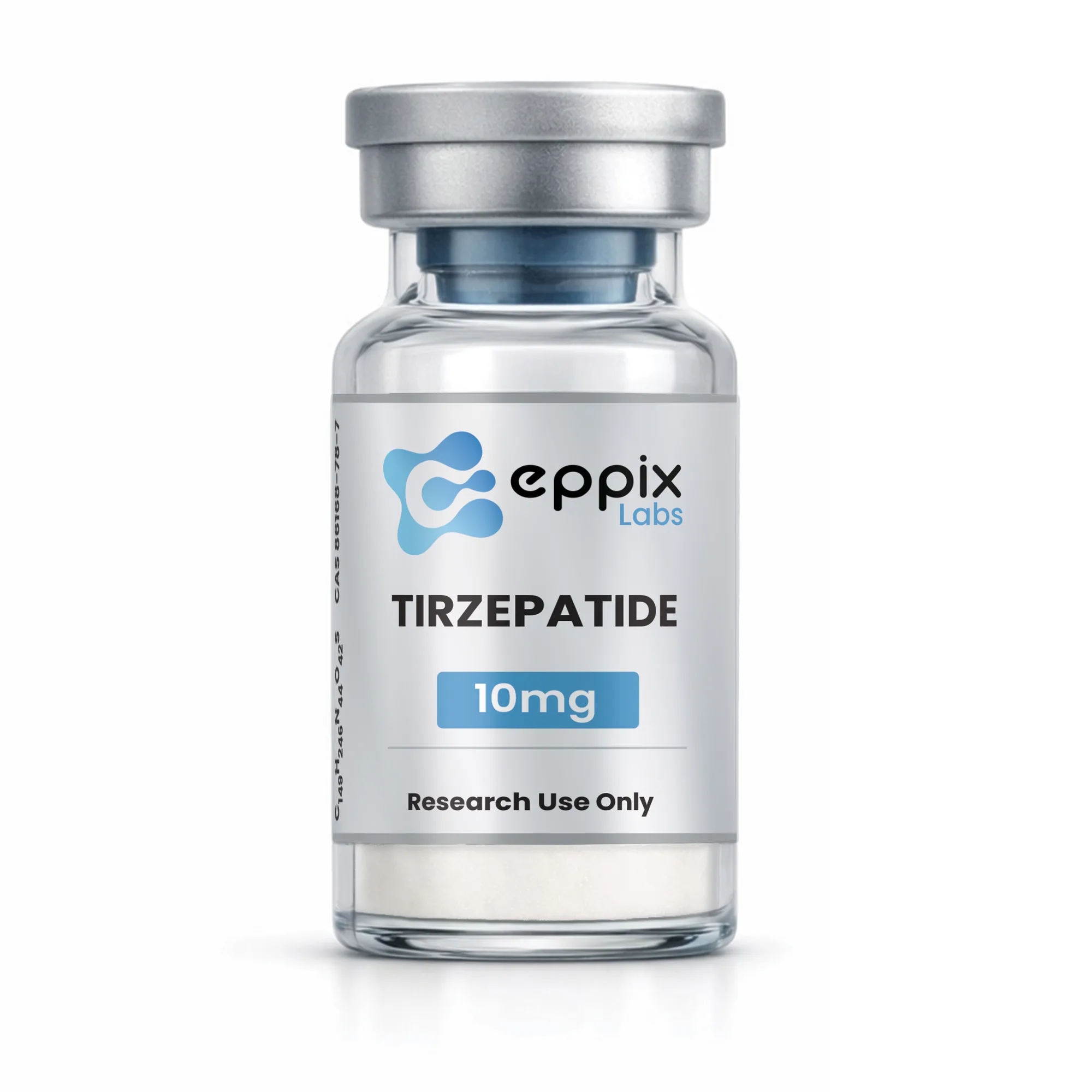
Dual GLP-1 / GIP Research Peptide Tirzepatide is a synthetic peptide developed for controlled laboratory research involving dual incretin receptor signaling systems. It is structurally designed to interact with GLP-1 and GIP receptor pathways within experimental environments.
From$39.99
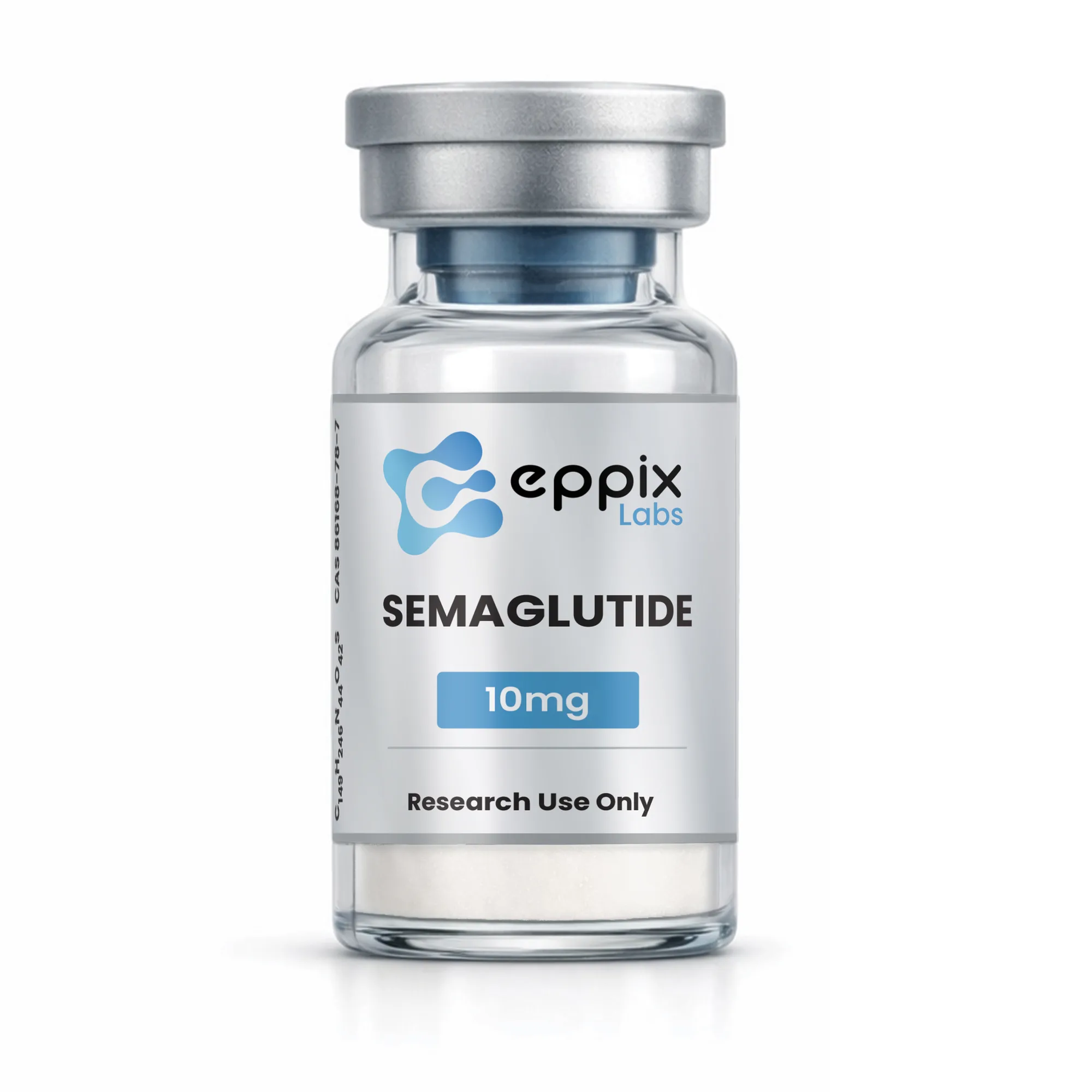
GLP-1 Receptor Agonist Research Peptide Semaglutide is a synthetic analogue of glucagon-like peptide-1 (GLP-1), a naturally occurring incretin hormone involved in glucose-dependent signaling. It is developed for controlled laboratory investigation within regulated experimental environments.
From$59.99
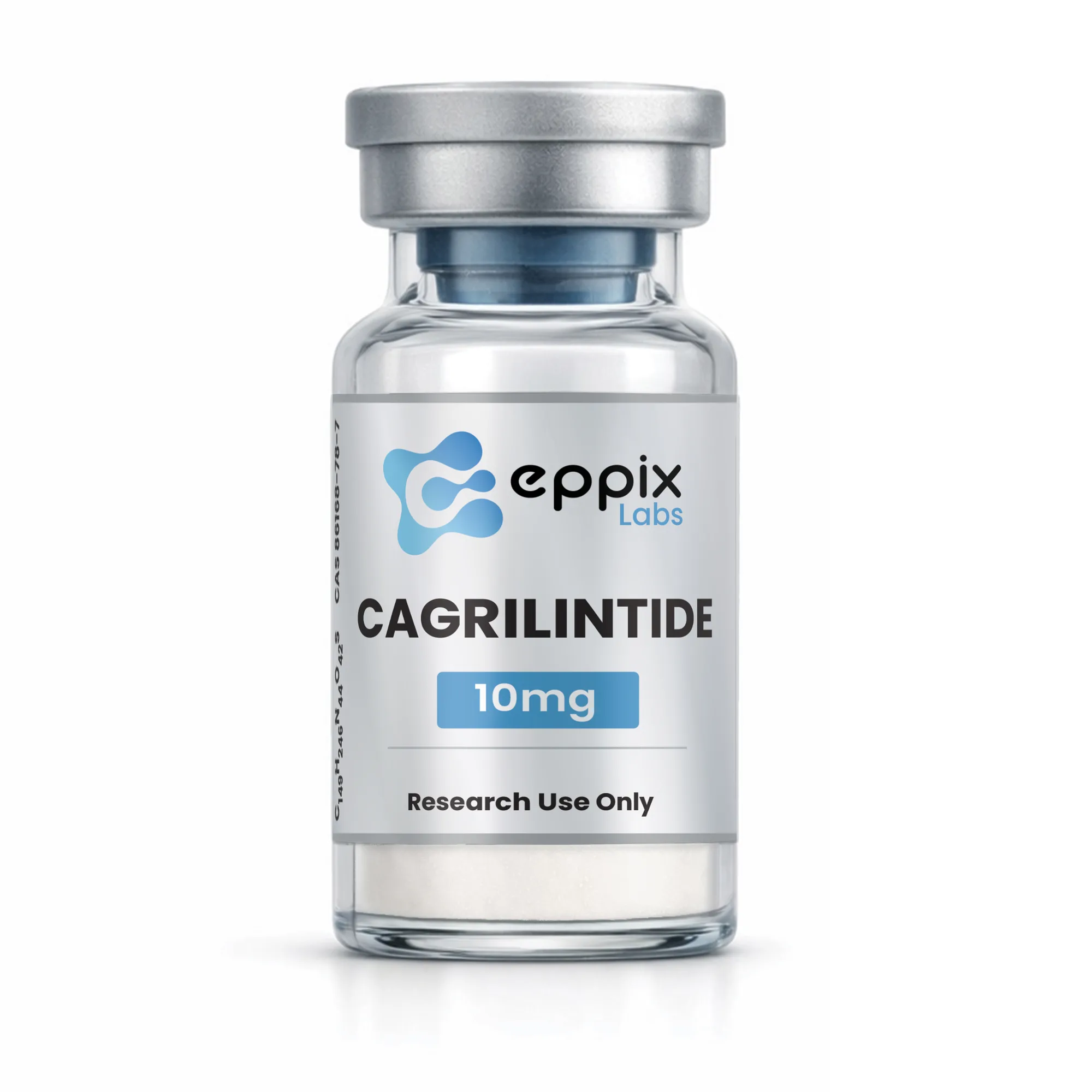
Amylin Receptor Research Peptide Cagrilintide is a synthetic peptide developed for controlled laboratory research involving amylin receptor signaling systems. It is structurally designed to interact with amylin-associated pathways within experimental environments.
From$99.99