Metabolic & GLP-1
GLP-1 and Incretin Research Peptides — United States
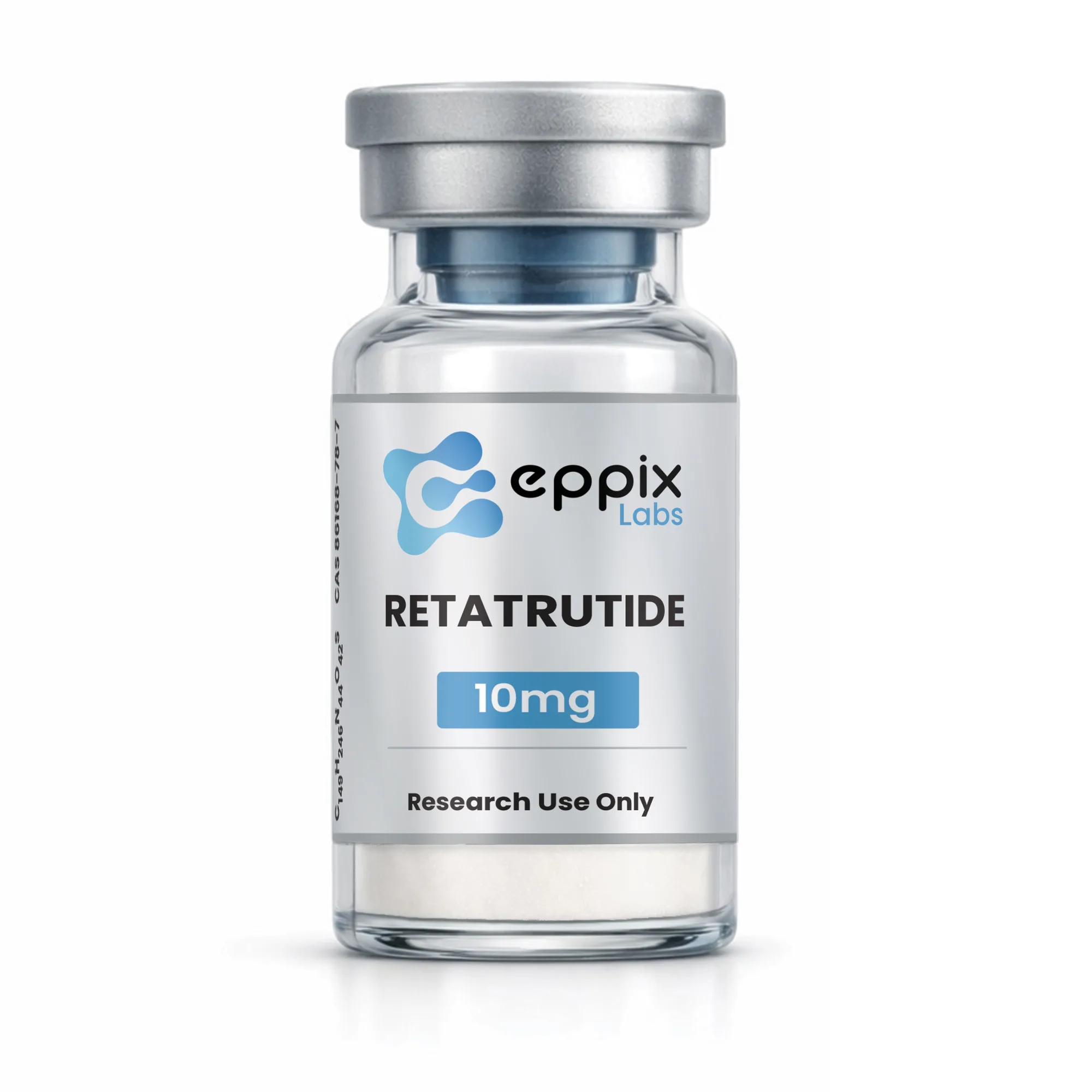
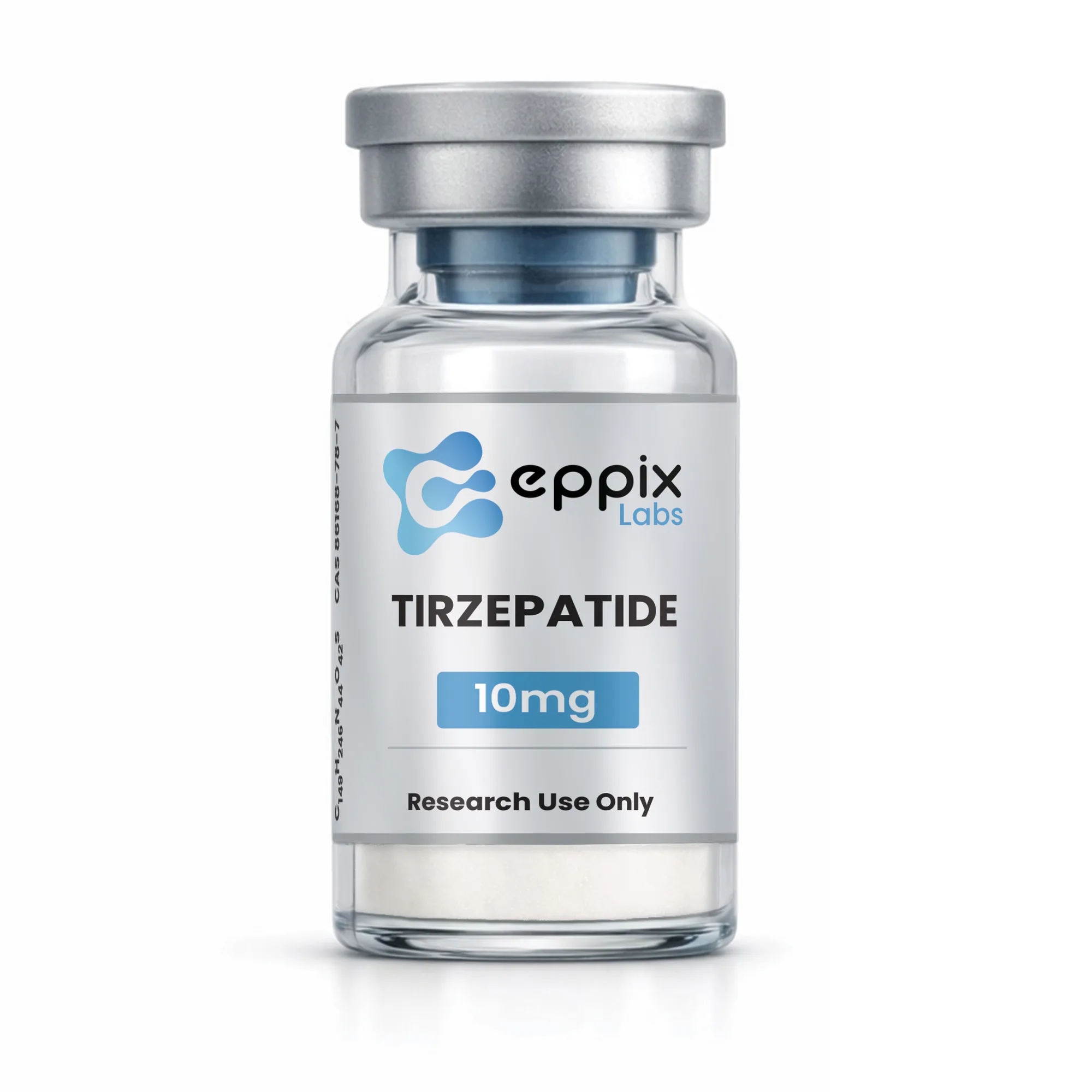
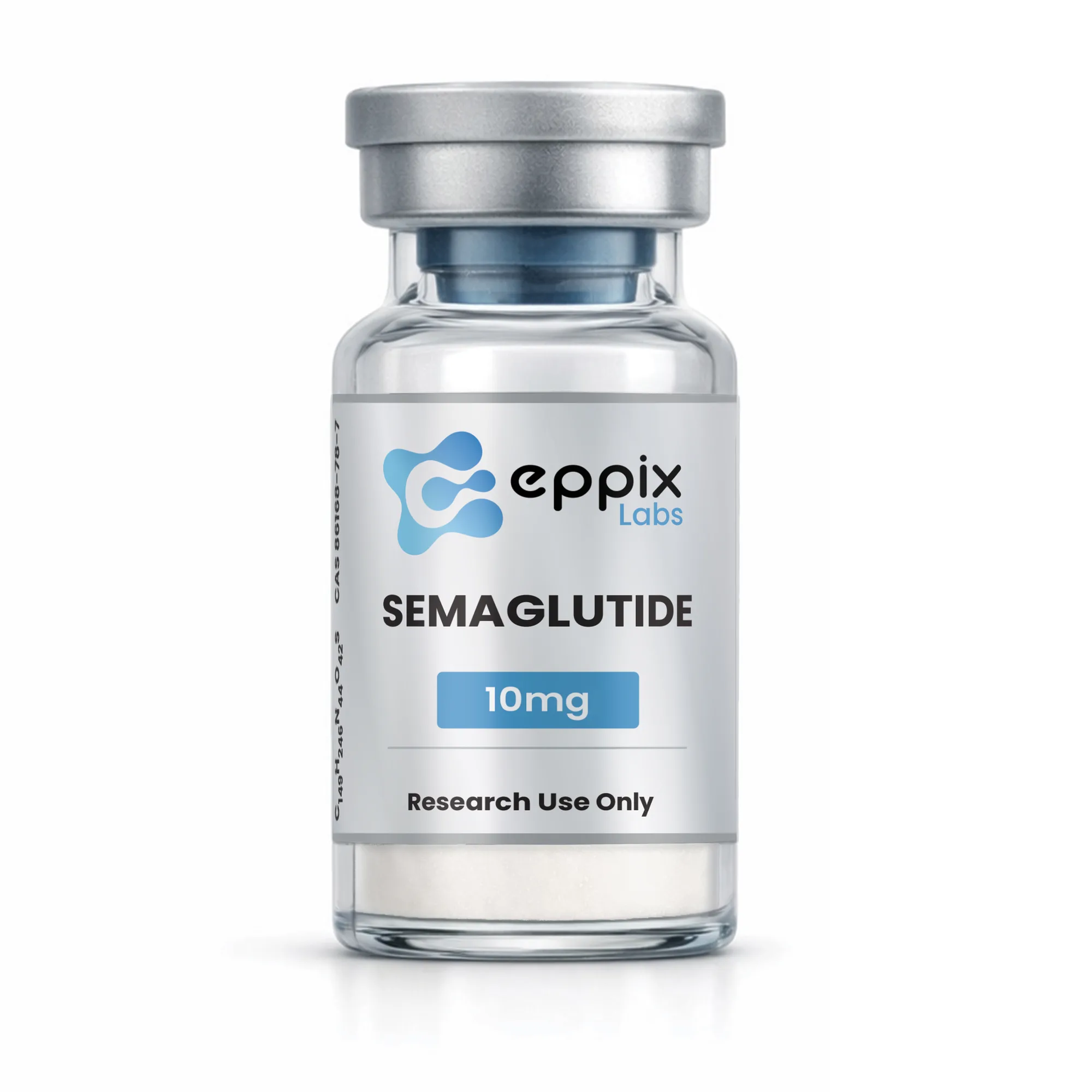
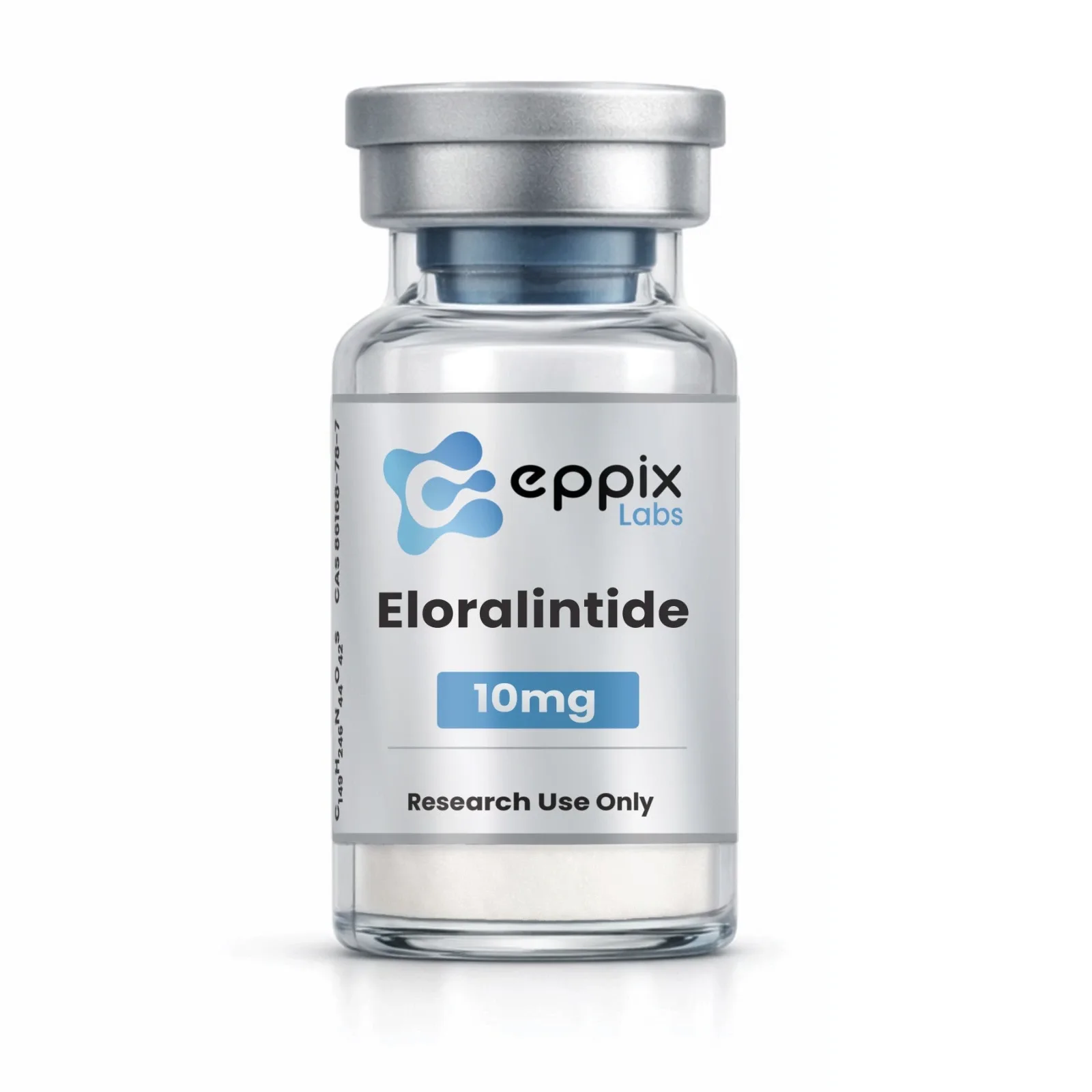
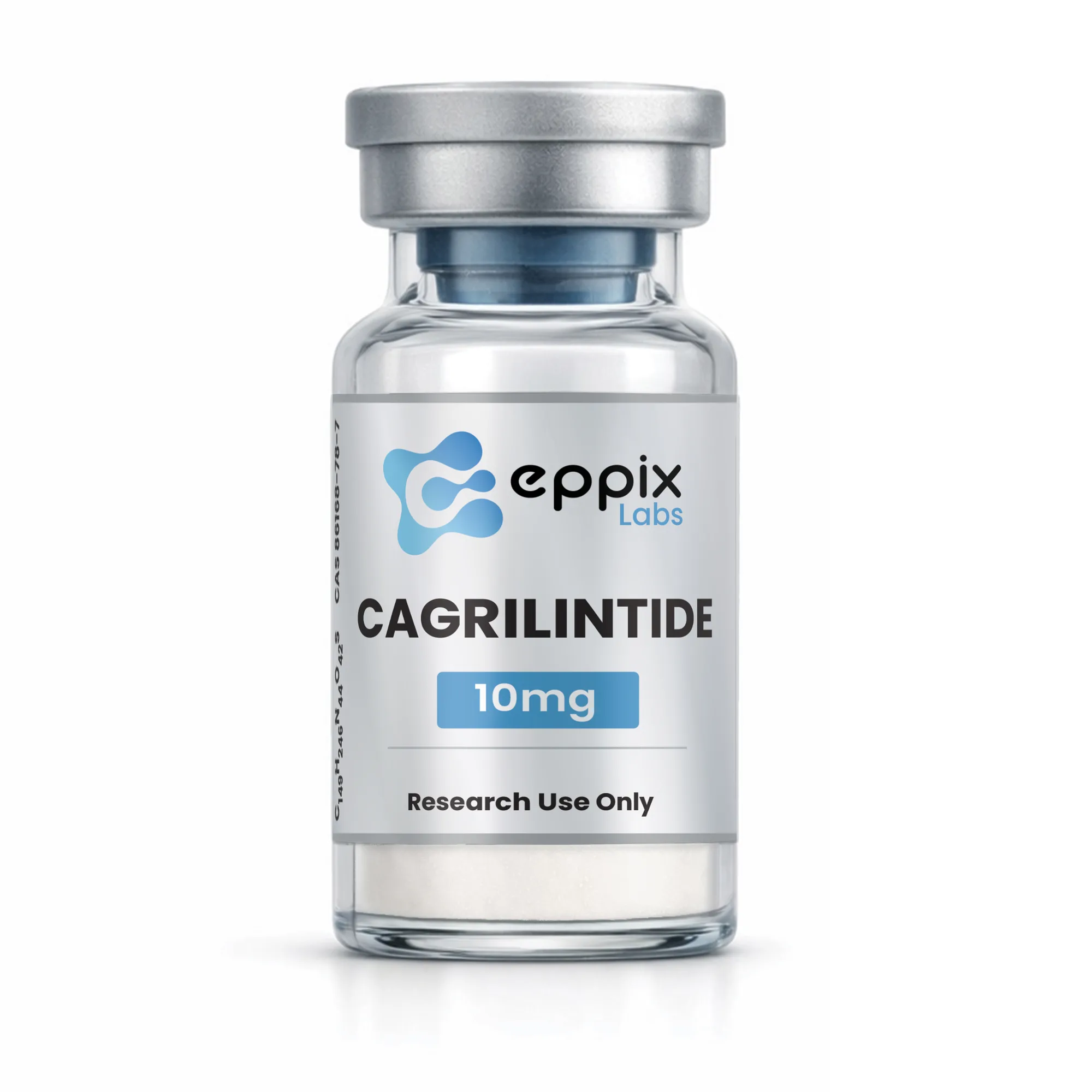
Four distinct receptor targets are represented in this category, and knowing which is which is the difference between comparing compounds and confusing them. Semaglutide is a single GLP-1 receptor agonist. Tirzepatide adds GIP. Retatrutide adds glucagon on top of both, making it a triple agonist. Cagrilintide and eloralintide act at the amylin receptor and are not incretin agonists at all, despite sitting alongside them in almost every catalog including this one.
One entry here is not a peptide. Orforglipron is a non-peptide small molecule characterized as an orally available GLP-1 receptor agonist, and its product page identifies it as such rather than absorbing it into the peptide category by proximity.
Evidence depth in this group is unusually strong for research compounds — several of these molecules carry named clinical programmes under their own compound codes, and the product pages cite that primary literature directly with a link to each record.
Every lot is independently assayed before release. Two figures are published per batch, not one: measured purity, and measured mass against the labelled content. Both appear before anything reaches a cart. Supplied strictly as laboratory research materials, shipped domestically within the United States.
In this category: Retatrutide · Tirzepatide · Semaglutide · Cagrilintide
What to check before buying metabolic & glp-1 compounds
Purity is half the number. A purity figure tells you what fraction of the powder in the vial is the compound on the label — it tells you nothing about how much powder is in the vial. A lot can assay at 99.8% purity and still be short against its labelled content.
Both numbers are published for every batch here: purity from HPLC, and measured mass against expected content. Match the batch code printed on the vial to the certificate before you rely on either.
Metabolic & GLP-1 research peptides — common questions
- What exactly are incretin research peptides?
- Incretins are gut-derived hormones that signal to the pancreas after a meal; GLP-1 and GIP are the two best characterised. The compounds in this category are synthetic analogues of those hormones, engineered to resist the enzymatic breakdown that limits the natural peptides. Everything here is supplied strictly as laboratory research material, not as a drug product, and is not FDA-approved in this form for any diagnostic or therapeutic purpose.
- How do I tell a single, dual and triple agonist apart?
- By the receptors each is characterised as binding. Semaglutide is described as a single GLP-1 receptor agonist. Tirzepatide adds GIP, making it dual. Retatrutide adds the glucagon receptor on top of both, making it triple. The distinction is structural and it is why the published trials study them against one another rather than treating them as interchangeable.
- Why are amylin analogues in an incretin category?
- Cagrilintide and eloralintide are amylin receptor agonists, a different receptor family from the incretins. They are collected here because the published research studies them alongside and in combination with incretin compounds, so separating the categories would split a body of literature that is read together.
- What arrives with an order from this category?
- A batch-labelled vial and the independent certificate for that specific lot, showing HPLC purity and measured content against the labelled amount. The figures are on the product card before checkout rather than after delivery, and the certificate is addressed by lot code so it can be matched to the vial in hand.