✦FedEx Delivery1–3 day delivery across the U.S.Free on orders over $200

Regulatory

The July 2026 FDA PCAC Peptide Vote: What It Does and Doesn't Change for US Researchers

Six of seven peptides won a non-binding recommendation for the 503A compounding list; for a laboratory buying research reagents, almost nothing moved

·By Adam Reeves · Research Editor, Eppix Labs

On July 23 and 24, 2026 an FDA advisory committee spent two days on seven peptides that US research labs order every week. The headlines that followed ranged from "FDA approves BPC-157" to "peptides are legal now". Neither is what happened. This is what the committee is, how it voted, and what the result does and does not change for a lab buying research-use-only material.

This is general information, not legal advice. Eppix Labs supplies BPC-157 and the other compounds named here for laboratory research use only, and nothing below is dosing or medical guidance.

Key takeaways

  • ·On July 23 and 24, 2026, the FDA's Pharmacy Compounding Advisory Committee (PCAC) reviewed seven peptides for possible inclusion on the 503A bulks list.[1][6]
  • ·Six were recommended for inclusion: BPC-157, KPV, TB-500, MOTS-c, Epitalon and Semax. Emideltide (DSIP) was not.[1]
  • ·The votes are advisory and non-binding. No peptide is formally added to the list until the FDA completes notice-and-comment rulemaking, which may run into 2027 or beyond.[1][7]
  • ·The vote concerns pharmacy compounding. It does not approve any peptide as a drug and does not change how research-use-only (RUO) reagents are regulated.

What the PCAC actually is

The Pharmacy Compounding Advisory Committee is an outside panel the FDA consults on compounding under sections 503A and 503B of the Federal Food, Drug, and Cosmetic Act. Section 503A lets licensed pharmacies compound drugs for individual patients, but only from bulk drug substances that meet one of three tests: they comply with a USP or NF monograph, they are a component of an FDA-approved drug, or they appear on the FDA's "503A bulks list". The PCAC advises the agency on which substances should be added to that list.[5][6]

Each nominated substance is weighed against four criteria the FDA set by regulation in 2019: its physical and chemical characterization, any safety issues raised by its use in compounding, the available evidence of effectiveness, and its historical use in compounding. The criteria are balanced against one another substance by substance, and the committee then votes on whether the FDA should add the substance to the list.[6]

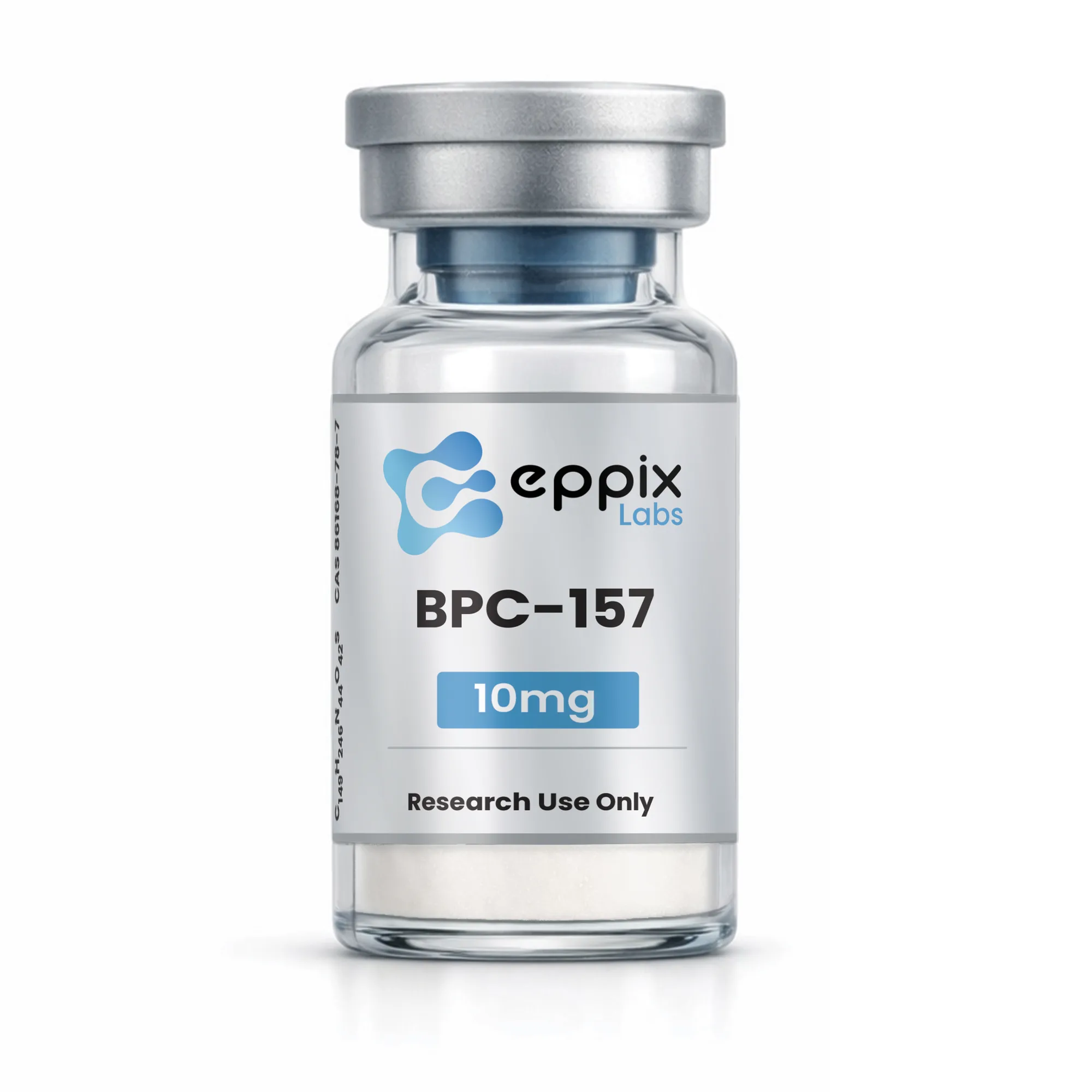
Research Material
General Image
BPC-157 lyophilized research material as supplied by Eppix Labs. Labeled and measured content are stated on the certificate further down this page.

The vote, peptide by peptide

The committee split on every substance, and several of the margins were narrow. An 8 to 6 vote is a recommendation, not a consensus. FDA scientists had recommended against inclusion for all seven, citing insufficient safety, effectiveness and characterization information, and some members who voted yes conditioned their support on safeguards such as authorized ingredient sourcing and adverse-event reporting.[1][6]

Across the two-day public meeting, members voted as follows. Each vote covered both the free base and the acetate form.[1]

  • ·BPC-157 (July 23). 8 in favor, 6 against, 1 abstention. Recommended for inclusion.
  • ·KPV (July 23). 8 in favor, 6 against, 1 abstention. Recommended for inclusion.
  • ·TB-500 (July 23). 8 in favor, 6 against, 1 abstention. Recommended for inclusion.
  • ·MOTS-c (July 23). 7 in favor, 5 against, 2 abstentions. Recommended for inclusion.
  • ·Emideltide, DSIP (July 24). 6 in favor, 7 against, 1 abstention. Not recommended.
  • ·Epitalon (July 24). 7 in favor, 4 against, 1 abstention. Recommended for inclusion.
  • ·Semax (July 24). 8 in favor, 5 against, 1 abstention. Recommended for inclusion.
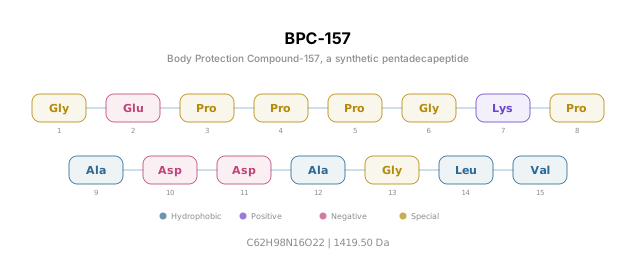
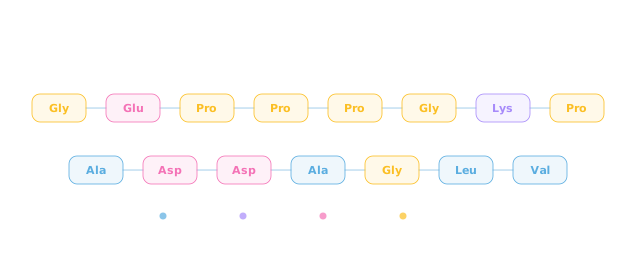
Amino Acid Sequence
Amino Acid Sequence diagram
Amino-acid sequence of BPC-157, read N-terminus to C-terminus.
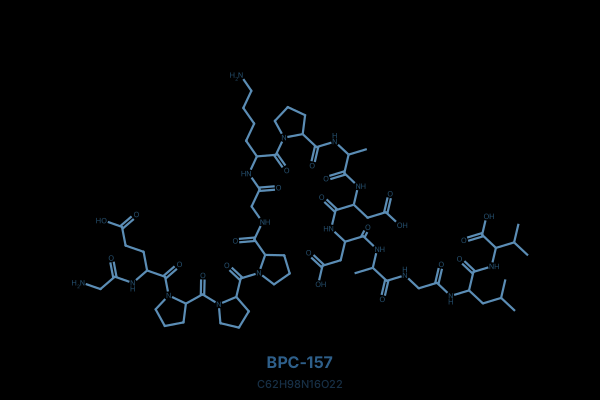
Chemical Structure
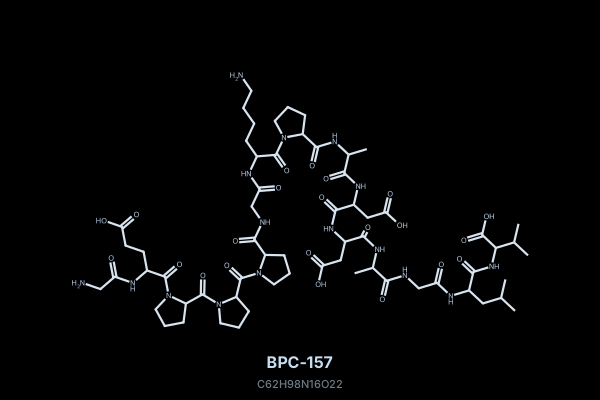
Chemical Structure diagram
Chemical structure of the BPC-157 pentadecapeptide, C₆₂H₉₈N₁₆O₂₂.

What it means for research labs buying RUO material

For laboratories purchasing peptides as research reagents, the practical picture is unchanged:

  • ·RUO reagents are not compounded drugs. The PCAC process governs pharmacies. A research reagent supplier is neither a pharmacy nor a 503B outsourcing facility.
  • ·The FDA still judges RUO sellers by intended use. In warning letters dated March 31, 2026, the agency concluded that "Research Use Only" labels did not outweigh website content showing that the products were intended for human use.[3][4] A favorable PCAC vote does not loosen that standard. Our explainer on what research use only means in the US covers this in detail.
  • ·Characterization matters more, not less. FDA scientists cited insufficient characterization in recommending against every substance, and commentators expect further submissions on peptide identity and purity to carry particular weight as the agency decides what to do next.[1] Labs should expect suppliers to provide batch-specific, third-party analytical data, and should treat material without it as uncharacterized.

How Eppix Labs documents BPC-157 batches

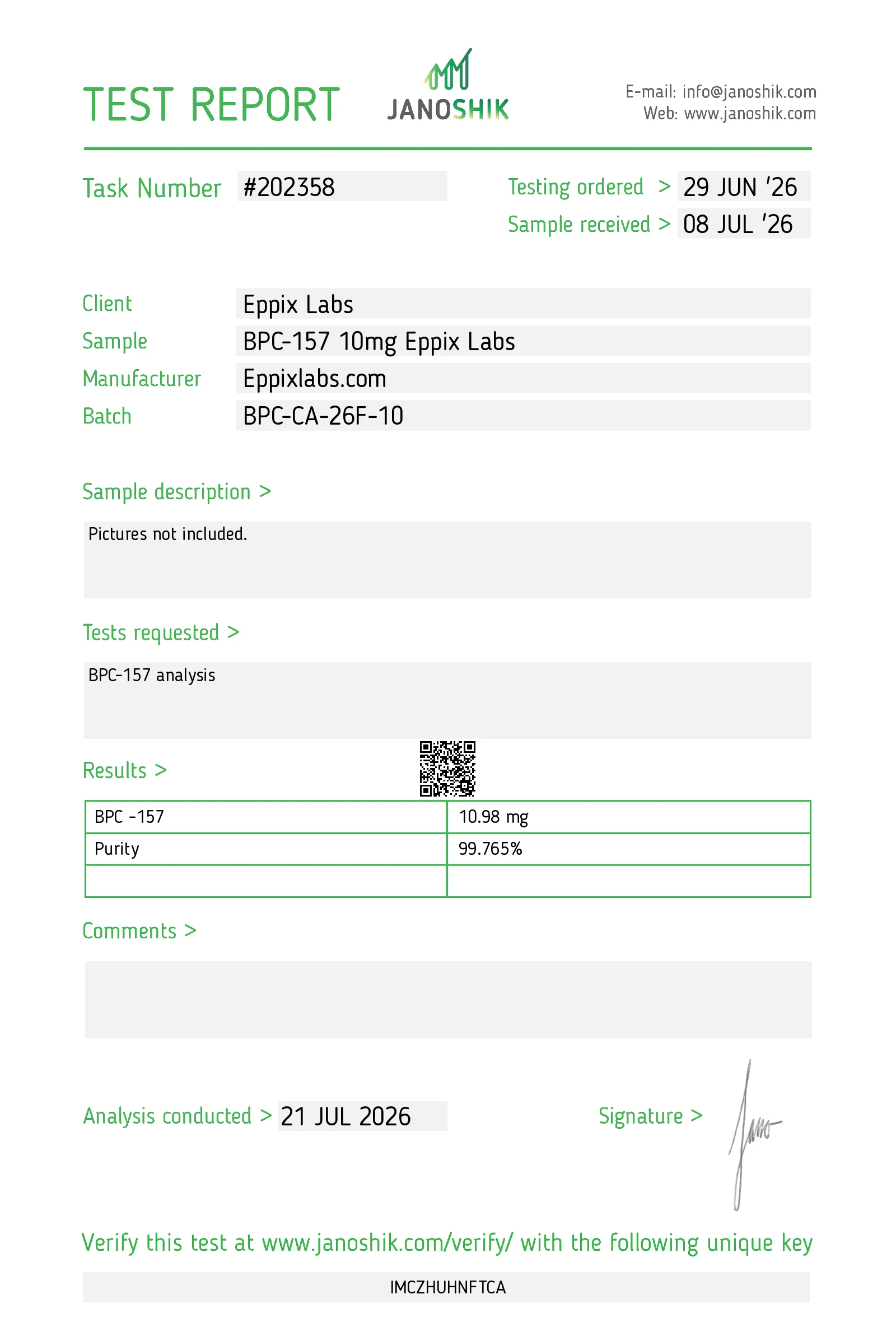
Every BPC-157 lot we list is tested by an independent laboratory before sale, Janoshik Analytical for most Eppix lots, and each certificate names the laboratory that issued it. Results are published as the laboratory reported them: most lots measure above 99% HPLC purity, an occasional lot comes back around 98% and is published rather than left out, and measured content against the label is reported as its own figure, separate from purity.

The certificate for the current lots is below, and every lot is listed on our certificates of analysis page. The compound itself is on the BPC-157 product page.

Published Certificate
Certificate of analysis for BPC-157 10mg, batch BPC-CA-25L-01, 99.765% purity, 10.98 mg measured content

Select strength

Batch
BPC-CA-25L-01
Purity (HPLC)
99.765%
Measured content
10.98 mglabeled 10 mg
Laboratory
Janoshik
Published certificate of analysis for the current BPC-157 lots. Batch, HPLC purity and measured content are read live from the batch record.

What to watch next

Three things will tell US researchers more than the vote did. We will update this post as the FDA acts.

  • ·FDA rulemaking notices in the Federal Register proposing additions to the 503A bulks list.[1]
  • ·A second PCAC review of the five remaining peptides removed from Category 2 (LL-37, dihexa, injectable GHK-Cu, PEG-MGF and Melanotan II), expected before the end of February 2027.[1][2]
  • ·Further warning letters to online sellers, which remain the clearest signal of how the FDA views the RUO market.

Frequently Asked

Did the FDA approve BPC-157 in July 2026?

No. An FDA advisory committee recommended that BPC-157 be added to the 503A bulks list used by compounding pharmacies. The recommendation is non-binding, and BPC-157 is not an FDA-approved drug.

Which peptide did the PCAC vote against?

Emideltide, also known as DSIP (delta sleep-inducing peptide). It failed with 6 in favor, 7 against and 1 abstention.

Does the PCAC vote affect research-use-only peptides?

Not directly. The vote concerns pharmacy compounding. RUO reagents remain subject to the FDA's intended-use standard.

When could the peptides be added to the 503A list?

Only after FDA notice-and-comment rulemaking. Commentators suggest that could come in 2027 or stretch into a multi-year process.

References

  1. McDermott Will & Schulte (2026). Bulk-list bound? PCAC backs majority of peptides in two-day public meeting. Client alert, July 27, 2026. McDermott Will & Schulte. Source
  2. Frier Levitt (2026). FDA to Remove 12 Popular Peptides from the Category 2 "Do Not Compound" List. Published April 16, 2026. Frier Levitt. Source
  3. US Food and Drug Administration, CDER (2026). Warning letter to Gram Peptides, MARCS-CMS 721806, March 31, 2026: products labeled "Research Use Only" found to be unapproved new drugs intended for human use. FDA Warning Letters. Source
  4. US Food and Drug Administration, CDER (2026). Warning letter to Mile High Compounds LLC, MARCS-CMS 721600, March 31, 2026: products labeled for in vitro research found to be unapproved new drugs intended for human use. FDA Warning Letters. Source
  5. US Food and Drug Administration (2026). Pharmacy Compounding Advisory Committee meeting, 23-24 July 2026: bulk drug substances nominated for inclusion on the Section 503A Bulks List. FDA Advisory Committee Calendar. Source
  6. US Food and Drug Administration (2026). FDA briefing document, Pharmacy Compounding Advisory Committee: BPC-157, KPV, TB-500, MOTS-c, Emideltide, Semax and Epitalon. Agency review recommended against inclusion for each substance. FDA. Source
  7. Office of the Federal Register (2026). 21 CFR 216.23: bulk drug substances that can be used to compound drug products under section 503A. None of the six peptides appear on the list as of publication. eCFR. Source

Research Use Only

This article summarizes published preclinical research literature. Compounds referenced are supplied by Eppix Labs strictly as research materials for laboratory investigation within the United States. They are not approved by the FDA for human or veterinary use, and nothing on this page should be interpreted as medical advice or guidance on human or animal administration.