✦FedEx Delivery1–3 day delivery across the U.S.Free on orders over $200

Compound Comparison

GLP-1, GIP and Glucagon Receptor Pharmacology: Mono-, Dual- and Triple-Agonist Peptides Compared

One receptor, two or three: how semaglutide, tirzepatide and retatrutide differ at the receptor, and what that means for assay design

·By Adam Reeves · Research Editor, Eppix Labs

Semaglutide, tirzepatide and retatrutide are usually compared on trial outcomes. For an in vitro lab the more useful comparison sits one level down: which receptors each peptide activates, how potently, and through which downstream pathways. Those are separate measurements, and the published pharmacology shows they do not move together.

All three are supplied for laboratory research use only. Nothing below is dosing, medical or legal guidance.

Key takeaways

  • ·Semaglutide is a selective GLP-1 receptor agonist. Tirzepatide activates the GIP and GLP-1 receptors. Retatrutide activates the GIP, GLP-1 and glucagon receptors.[1][2][3]
  • ·Tirzepatide is "imbalanced": it favors the GIP receptor, and at the GLP-1 receptor it shows biased signaling toward cAMP over β-arrestin recruitment.[2]
  • ·All three carry a fatty-acid modification for albumin binding and an extended half-life.
  • ·For in vitro work, potency at each receptor, signaling bias and receptor internalization are separate measurements and should be assayed separately.
The three receptors

All three targets are class B G protein-coupled receptors that signal primarily through Gαs and cAMP.

  • ·GLP-1 receptor (GLP-1R). Expressed in pancreatic β-cells, brainstem and hypothalamic nuclei, and the gastrointestinal tract. Activation enhances glucose-dependent insulin secretion and slows gastric emptying.
  • ·GIP receptor (GIPR). Expressed in β-cells, adipose tissue and the central nervous system. Its role in energy balance is still debated, which makes GIPR agonism a scientifically interesting component of dual and triple agonists.
  • ·Glucagon receptor (GCGR). Expressed mainly in liver. Activation increases hepatic glucose output, but also drives lipid oxidation and energy expenditure.
Research Material
General Image
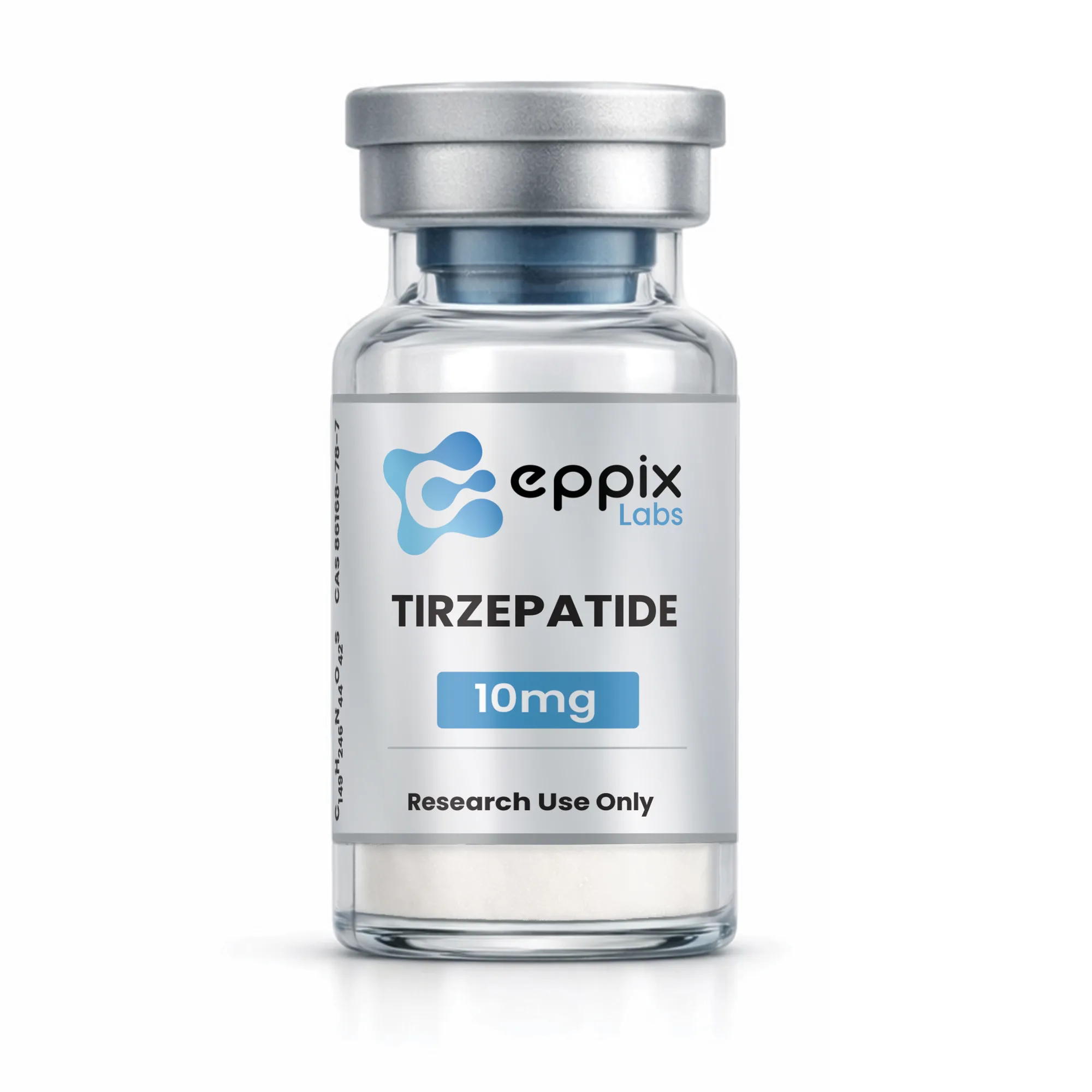
Tirzepatide research vial as supplied by Eppix Labs, lyophilized. Labeled and measured content are on the certificates further down.

Semaglutide: selective GLP-1R agonism

Semaglutide is a GLP-1 analog with an amino-acid substitution that protects against DPP-4 cleavage and a C18 fatty diacid side chain for albumin binding.[6] It acts at GLP-1R alone. Its clinical program, including the STEP 1 obesity trial in the New England Journal of Medicine, provides the reference dataset for the mono-agonist class.[1][4]

The research-supply side is covered in semaglutide in the US.

Amino Acid Sequence
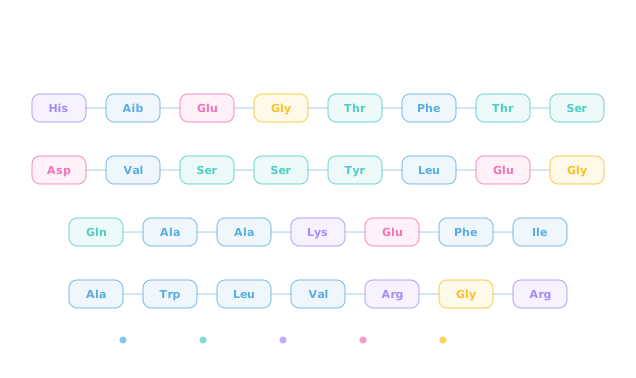
Amino Acid Sequence diagram
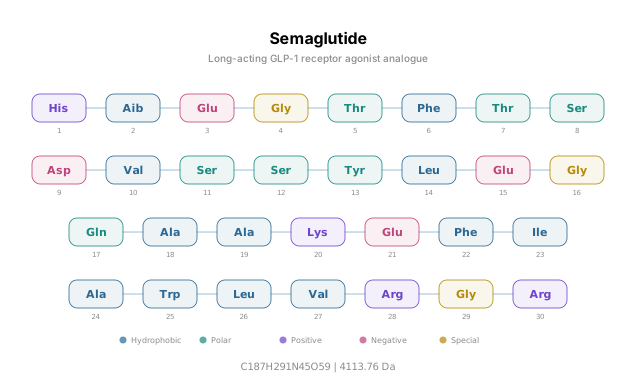
Amino-acid sequence of semaglutide, a 31-residue acylated GLP-1 analog.
Chemical Structure
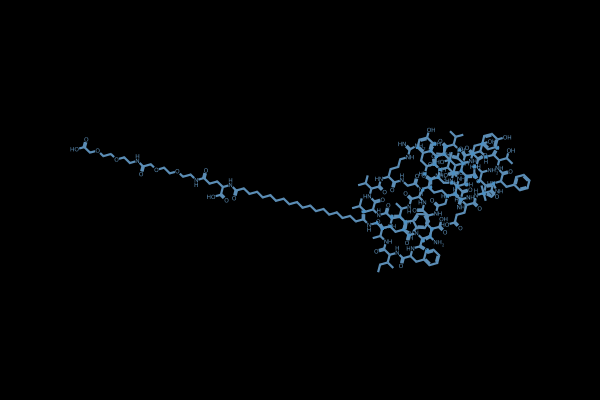
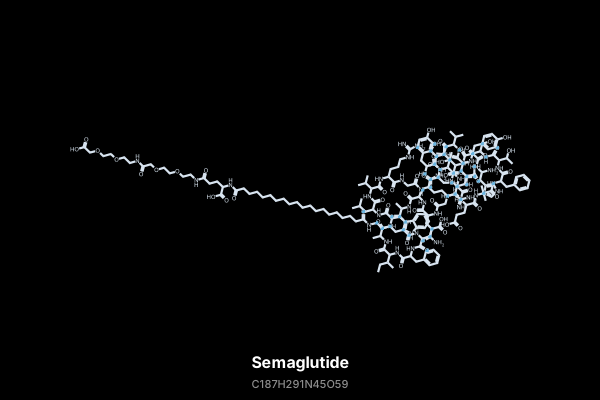
Chemical Structure diagram
Chemical structure of semaglutide.

Tirzepatide: imbalanced and biased dual agonism

Tirzepatide is a 39-amino-acid peptide based on the GIP sequence, with a C20 fatty diacid moiety.[7] Willard and colleagues characterized it as imbalanced, with GIPR potency comparable to native GIP but weaker GLP-1R potency than native GLP-1.[2]

At GLP-1R they also found signaling bias: tirzepatide drove cAMP generation more effectively than β-arrestin recruitment, and produced less receptor internalization than native GLP-1.[2] The authors proposed that this bias, together with the imbalance toward GIPR, may help account for its efficacy despite lower potency at the GLP-1 receptor; in their islet experiments β-arrestin1 limited the insulin response to GLP-1 but not to tirzepatide.[2] SURMOUNT-1 in the New England Journal of Medicine is the key obesity trial.[5]

Amino Acid Sequence
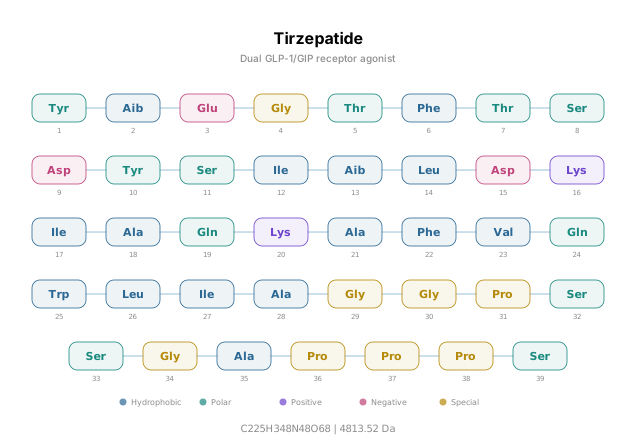
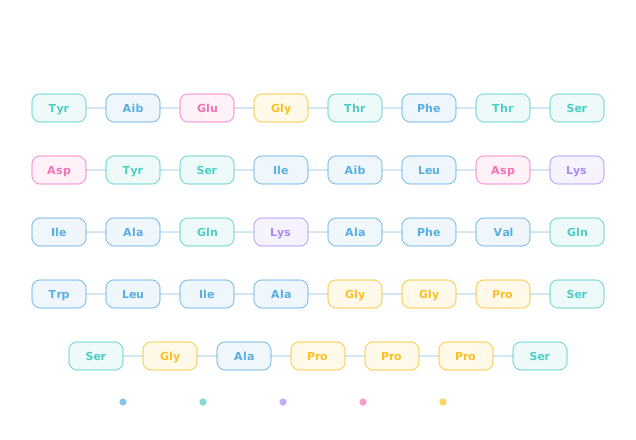
Amino Acid Sequence diagram
Amino-acid sequence of tirzepatide, a 39-residue GIP-based dual agonist.
Chemical Structure
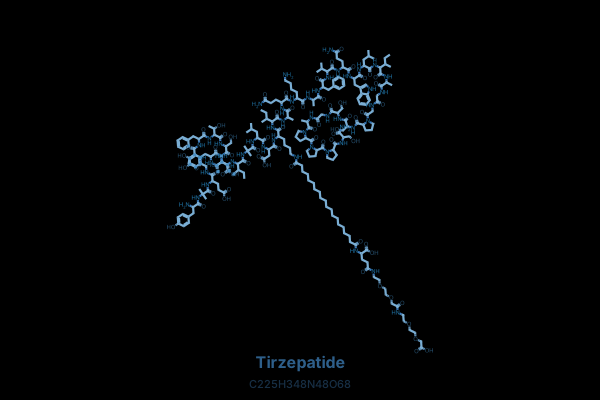
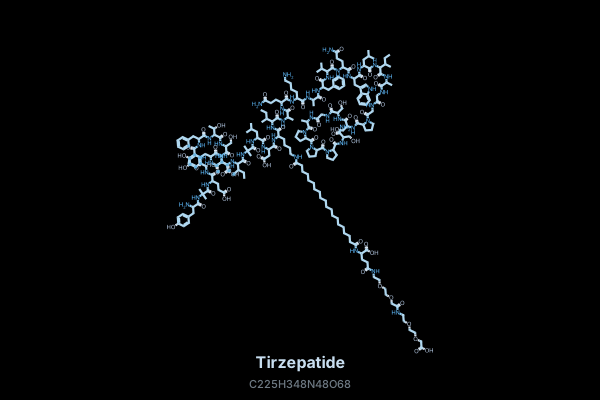
Chemical Structure diagram
Chemical structure of tirzepatide.

Retatrutide: triple agonism

Retatrutide adds glucagon receptor activity. Coskun and colleagues reported greater potency than native GIP at the human GIP receptor and lower potency than the native ligands at GLP-1R and GCGR, with its GLP-1R and GCGR activity balanced against each other.[3] The glucagon component is hypothesized to contribute to energy expenditure and hepatic fat reduction; in obese mice the authors attributed part of the weight loss to GCGR-mediated increases in energy expenditure.[3]

The phase 3 program is covered in retatrutide and the TRIUMPH phase 3 readouts, and the dual-against-triple comparison in retatrutide vs tirzepatide.

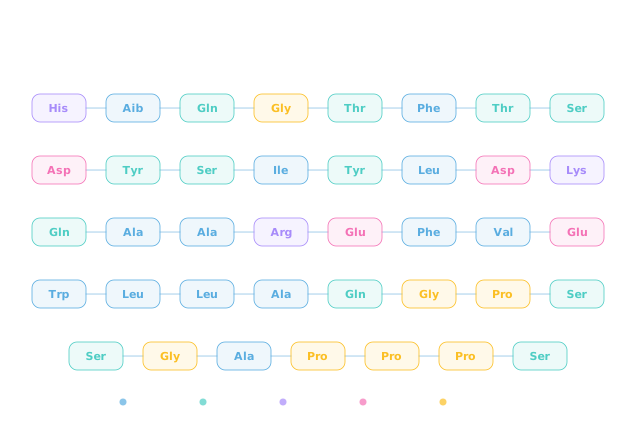
Amino Acid Sequence
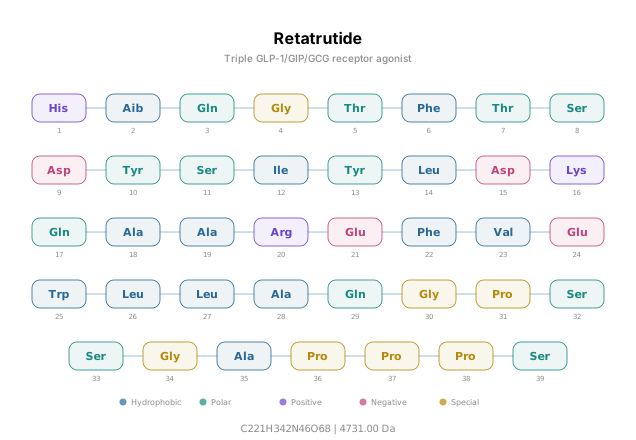
Amino Acid Sequence diagram
Amino-acid sequence of retatrutide, a 39-residue GIP-based triple agonist.
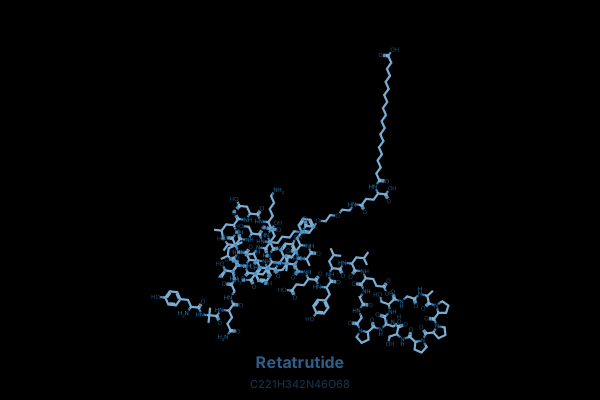
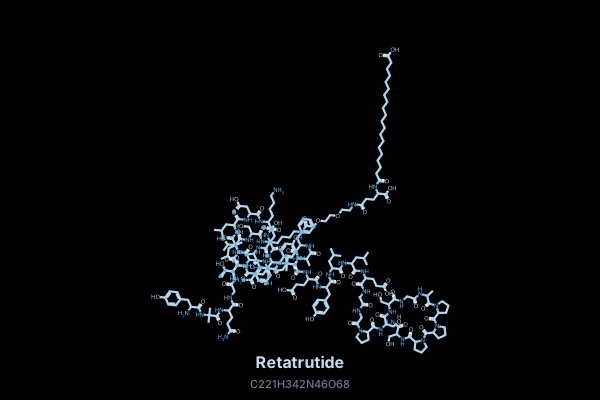
Chemical Structure
Chemical Structure diagram
Chemical structure of retatrutide.

Side by side

  • ·Semaglutide. Receptors: GLP-1R. Backbone: GLP-1. Half-life extension: fatty diacid, albumin binding. Notable pharmacology: selective. US status: FDA-approved (as branded products).
  • ·Tirzepatide. Receptors: GIPR and GLP-1R. Backbone: GIP. Half-life extension: fatty diacid, albumin binding. Notable pharmacology: imbalanced toward GIPR, cAMP-biased at GLP-1R.[2] US status: FDA-approved (as branded products).
  • ·Retatrutide. Receptors: GIPR, GLP-1R and GCGR. Backbone: GIP. Half-life extension: fatty diacid, albumin binding. Notable pharmacology: GIPR-favoring, with lower and balanced GLP-1R and GCGR activity.[3] US status: investigational.

Assay design notes for in vitro labs

  • ·Express each receptor separately. HEK293 or CHO lines stably expressing human GLP-1R, GIPR or GCGR allow clean potency comparisons.
  • ·Measure cAMP and β-arrestin independently. Bias can only be seen when both pathways are quantified against a reference agonist.
  • ·Include native ligands as references for each receptor: GLP-1(7-36)amide, GIP(1-42) and glucagon.
  • ·Watch albumin in the medium. Fatty-acid-modified peptides bind albumin, which shifts apparent potency. Run assays with defined albumin concentrations and report them.
  • ·Use measured peptide content for concentrations, not the label mass. See HPLC purity vs net peptide content; the Peptide Calculator converts a measured mass into stock concentration and molarity.

Eppix Labs batch data

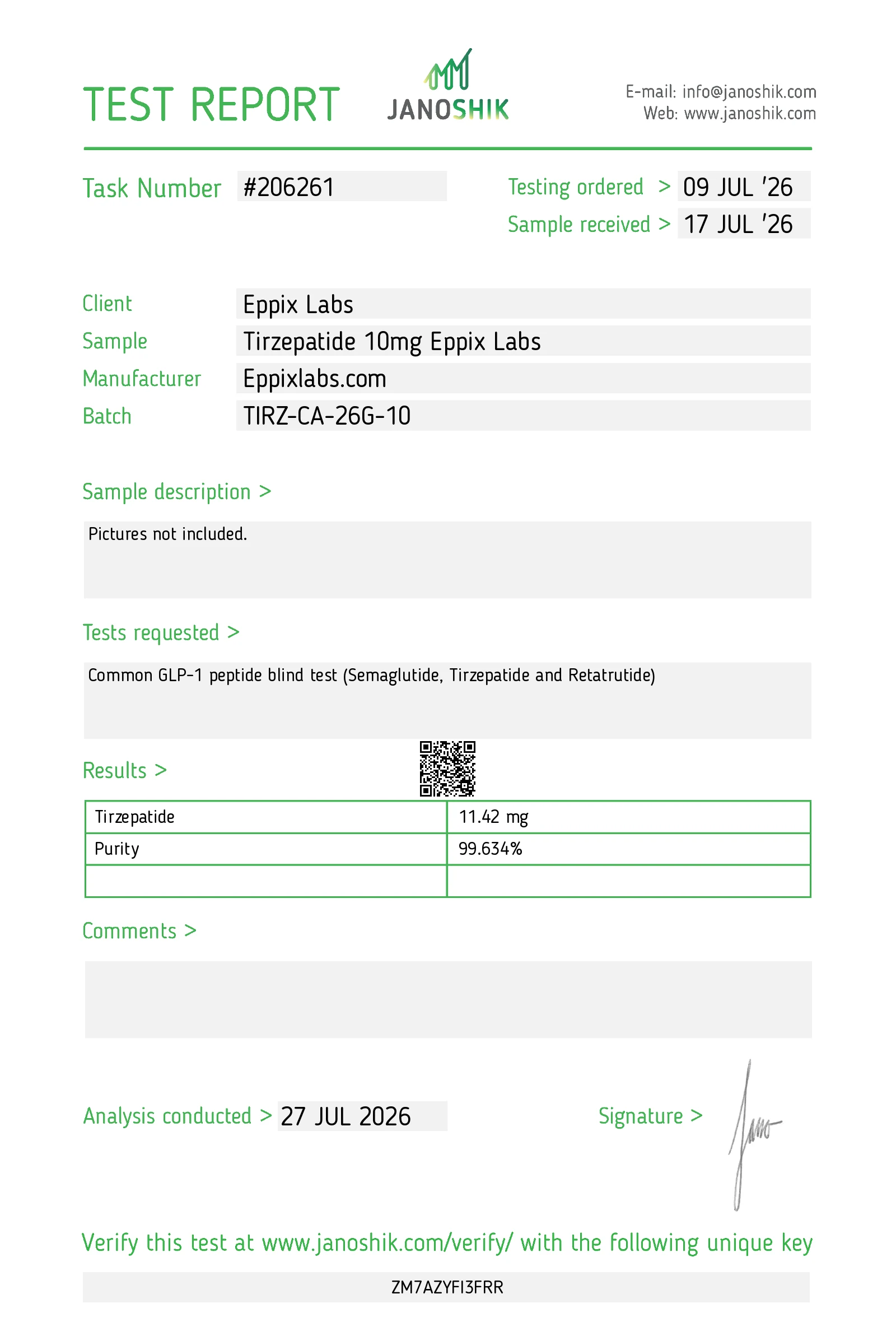
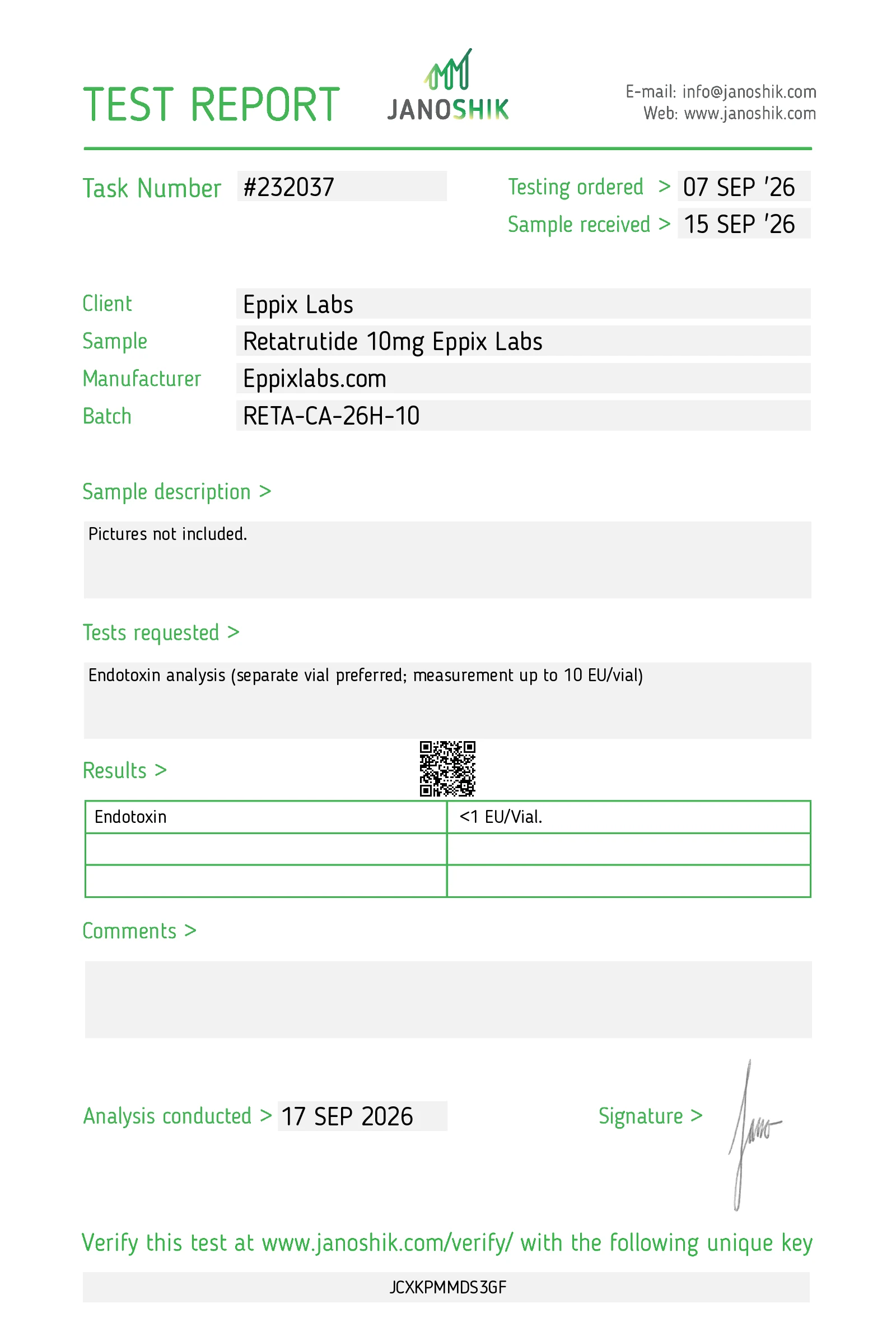
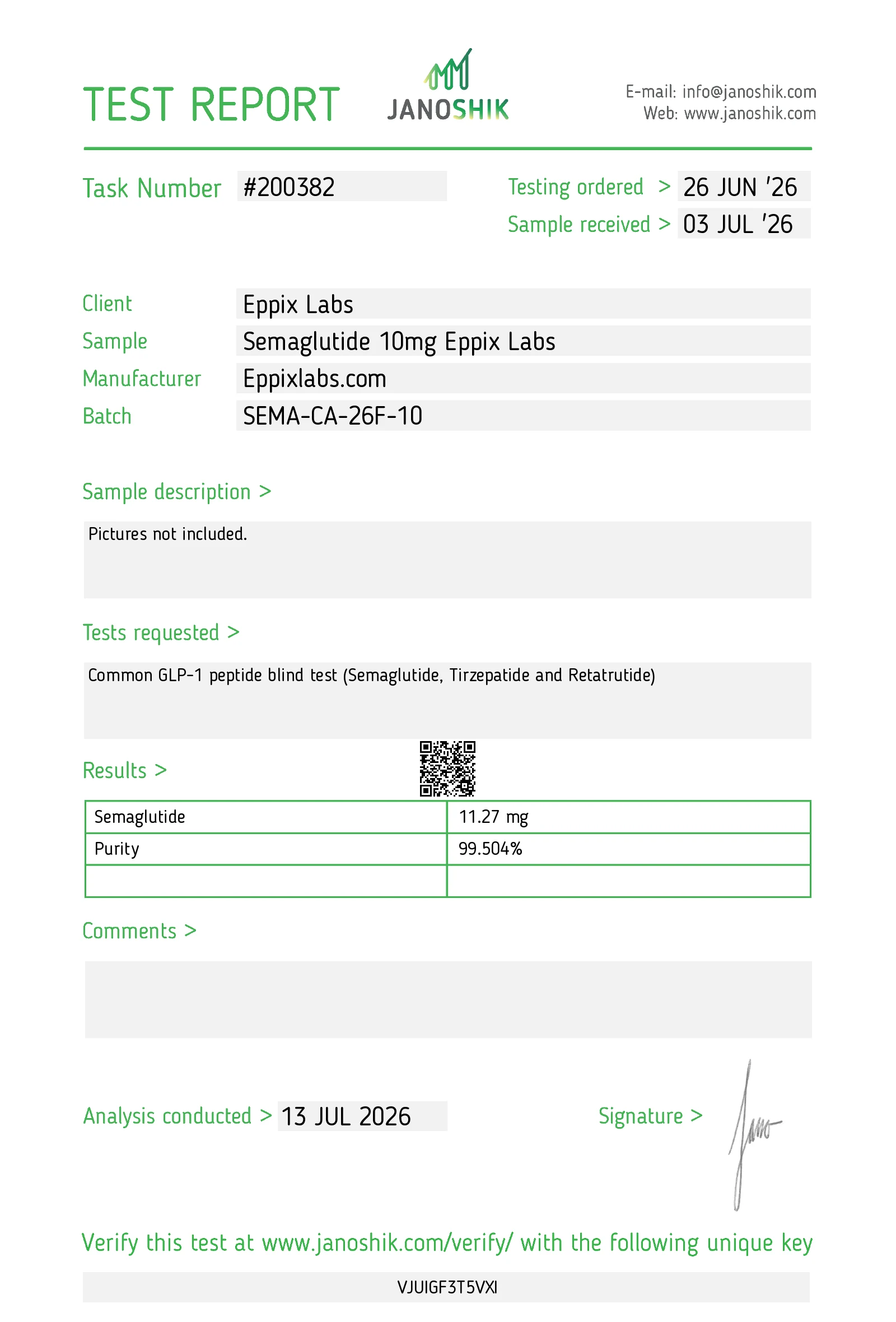
Every lot of all three compounds is tested by Janoshik Analytical before sale, and each certificate is published as the laboratory reported it, verifiable on Janoshik's own site. The current certificates are below, one per compound. Purity and measured content are separate numbers, and the second is the one to build assay concentrations on. Every lot is listed on the certificates of analysis page.

Published Certificate
Certificate of analysis for Tirzepatide 10mg, batch TIRZ-CA-26A-01, 99.634% purity, 11.42 mg measured content

Select strength

Batch
TIRZ-CA-26A-01
Purity (HPLC)
99.634%
Measured content
11.42 mglabeled 10 mg
Laboratory
Janoshik
Published certificates for the current tirzepatide lots, by strength.
Published Certificate
Certificate of analysis for Retatrutide (Triple Agonist) 10mg, batch RETA-CA-26E-01, 99.637% purity, 11.76 mg measured content

Select strength

Batch
RETA-CA-26E-01
Purity (HPLC)
99.637%
Measured content
11.76 mglabeled 10 mg
Laboratory
Janoshik
Published certificates for the current retatrutide lots, by strength.
Published Certificate
Certificate of analysis for Semaglutide 10mg, batch SEMA-CA-26C-01, 99.504% purity, 11.27 mg measured content
Batch
SEMA-CA-26C-01
Purity (HPLC)
99.504%
Measured content
11.27 mglabeled 10 mg
Laboratory
Janoshik
Published certificate for the current semaglutide lot.

Frequently Asked

Why do dual and triple agonists use a GIP backbone?

Starting from GIP allows strong GIPR activity, with residue substitutions adding GLP-1R and GCGR activity.

What does "biased agonism" mean?

A biased agonist activates some downstream pathways of a receptor more than others, relative to a reference ligand.

Are research-grade versions the same as approved products?

No. Research reagents are not the approved drug products and are not for human use.

References

  1. Wilding, J.P.H., Batterham, R.L., Calanna, S. et al. (2021). Once-weekly semaglutide in adults with overweight or obesity. N Engl J Med 384(11):989-1002. PMID 33567185
  2. Willard, F.S. et al. (2020). Tirzepatide is an imbalanced and biased dual GIP and GLP-1 receptor agonist. JCI Insight 5(17):e140532. PMID 32730231
  3. Coskun, T. et al. (2022). LY3437943, a novel triple glucagon, GIP, and GLP-1 receptor agonist for glycemic control and weight loss: from discovery to clinical proof of concept. Cell Metab 34(9):1234-1247. PMID 35985340
  4. Novo Nordisk A/S (sponsor) (2018). STEP 1: Research Study Investigating How Well Semaglutide Works in People Suffering From Overweight or Obesity. Trial record NCT03548935. ClinicalTrials.gov. Source
  5. Jastreboff, A.M., Aronne, L.J., Ahmad, N.N. et al. (2022). Tirzepatide once weekly for the treatment of obesity. N Engl J Med 387(3):205-216. PMID 35658024
  6. Lau, J. et al. (2015). Discovery of the once-weekly glucagon-like peptide-1 (GLP-1) analogue semaglutide. J Med Chem 58(18):7370-7380. PMID 26308095
  7. Coskun, T. et al. (2018). LY3298176, a novel dual GIP and GLP-1 receptor agonist for the treatment of type 2 diabetes mellitus: from discovery to clinical proof of concept. Mol Metab 18:3-14. PMID 30473097

Research Use Only

This article summarizes published preclinical research literature. Compounds referenced are supplied by Eppix Labs strictly as research materials for laboratory investigation within the United States. They are not approved by the FDA for human or veterinary use, and nothing on this page should be interpreted as medical advice or guidance on human or animal administration.