✦Canada Post Xpress1–2 day delivery across CanadaFree on orders over $200
Your cart is empty
Recovery Compound
BPC-157 is a synthetic peptide studied in research settings for its activity within cellular signaling pathways associated with structural tissue and recovery processes. Studies involving this format often examine peptide stability, absorption dynamics, and how peptides interact with systemic biochemical signaling pathways.
This product is intended strictly for laboratory research use within Canada. It is not approved by Health Canada for the diagnosis, treatment, cure, or prevention of any disease. Not for human or veterinary use.
By purchasing, you confirm the material will be used solely for lawful research purposes in accordance with applicable Canadian regulations.
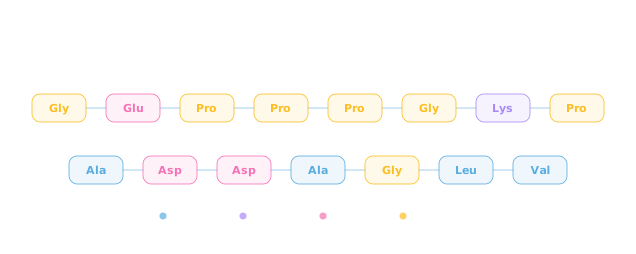
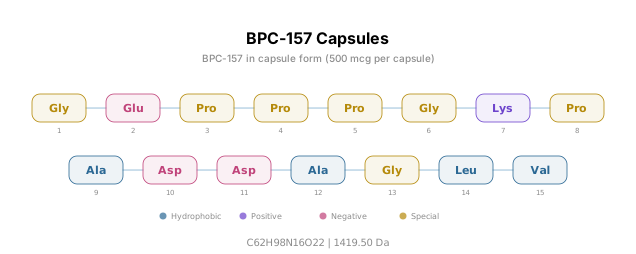
BPC-157 is a synthetic peptide sequence derived from a protective gastric protein fragment. It is developed for controlled laboratory research involving cellular signaling and tissue response models.
In scientific literature, BPC-157 is investigated in experimental frameworks examining angiogenic pathways, inflammatory modulation systems, and cytoskeletal regulatory mechanisms under in vitro and preclinical research conditions.
Third-party tested for purity, identity, quantity.
BPC-157 is evaluated in research focused on peptide-mediated cellular signaling and recovery-related pathway systems. Experimental studies examine its interaction with angiogenic signaling frameworks, inflammatory regulatory mechanisms, and extracellular matrix–associated pathways within controlled laboratory environments.
Research publications have explored its role in tissue response models and pathway-level signaling interaction under structured experimental conditions.
BPC-157 originated from investigations into biologically active fragments of gastric protective proteins. Laboratory research expanded into studies exploring its signaling behavior and interaction with cellular regulatory systems.
Subsequent experimental models examined its pathway-level activity in connective tissue and vascular-related research frameworks.
Laboratory investigations into BPC-157 have focused on cellular signaling models and peptide-mediated regulatory systems. Research frameworks evaluate angiogenic pathway interaction, inflammatory signaling modulation, and cytoskeletal regulatory mechanisms under controlled in vitro and preclinical conditions.
No. Eppix Labs products are supplied exclusively for laboratory research. We do not provide dosing, administration, or usage guidance.
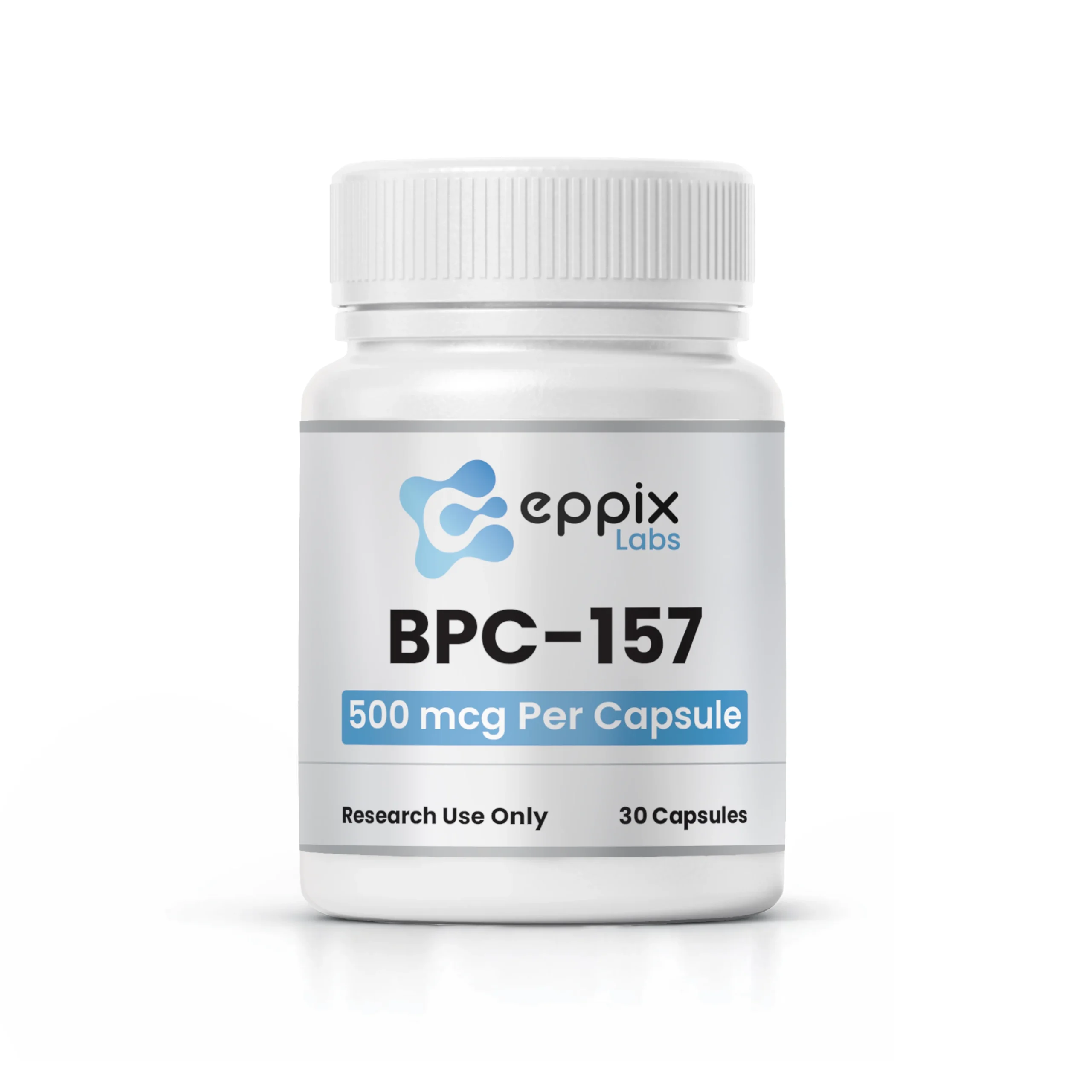
Each capsule contains the labeled quantity of BPC-157. Independent third-party testing verifies purity, identity, and batch specifications prior to release.
The product is supplied in capsule form for laboratory research purposes. No additional materials are included.
Duration depends entirely on research protocol, storage conditions, and laboratory application.
A new gastric juice peptide, BPC. An overview of the stomach-stress-organoprotection hypothesis and beneficial effects of BPC. J Physiol Paris 87(5):313–327.
PubMedGastric pentadecapeptide BPC 157 accelerates healing of transected rat Achilles tendon and in vitro stimulates tendocytes growth. J Orthop Res 21(6):976–983.
PubMedThe promoting effect of pentadecapeptide BPC 157 on tendon healing involves tendon outgrowth, cell survival, and cell migration. J Appl Physiol (1985) 110(3):774–780.
PubMedBody protective compound-157 enhances alkali-burn wound healing in vivo and promotes proliferation, migration, and angiogenesis in vitro. Drug Des Devel Ther 9:2485–2499.
PubMedModulatory effects of BPC 157 on vasomotor tone and the activation of Src-Caveolin-1-endothelial nitric oxide synthase pathway. Sci Rep 10(1):17078.
PubMedStable gastric pentadecapeptide BPC 157 in the treatment of colitis and ischemia and reperfusion in rats: New insights. World J Gastroenterol 23(48):8465–8488.
PubMedThe effect of pentadecapeptide BPC 157 on hippocampal ischemia/reperfusion injuries in rats. Brain Behav 10(8):e01726.
PubMedPentadecapeptide BPC 157 resolves Pringle maneuver in rats, both ischemia and reperfusion. World J Hepatol 12(5):184–206.
PubMedRelated
Studied in metabolic research for its effects on glucose regulation, appetite signaling, and energy balance.
From$180.00
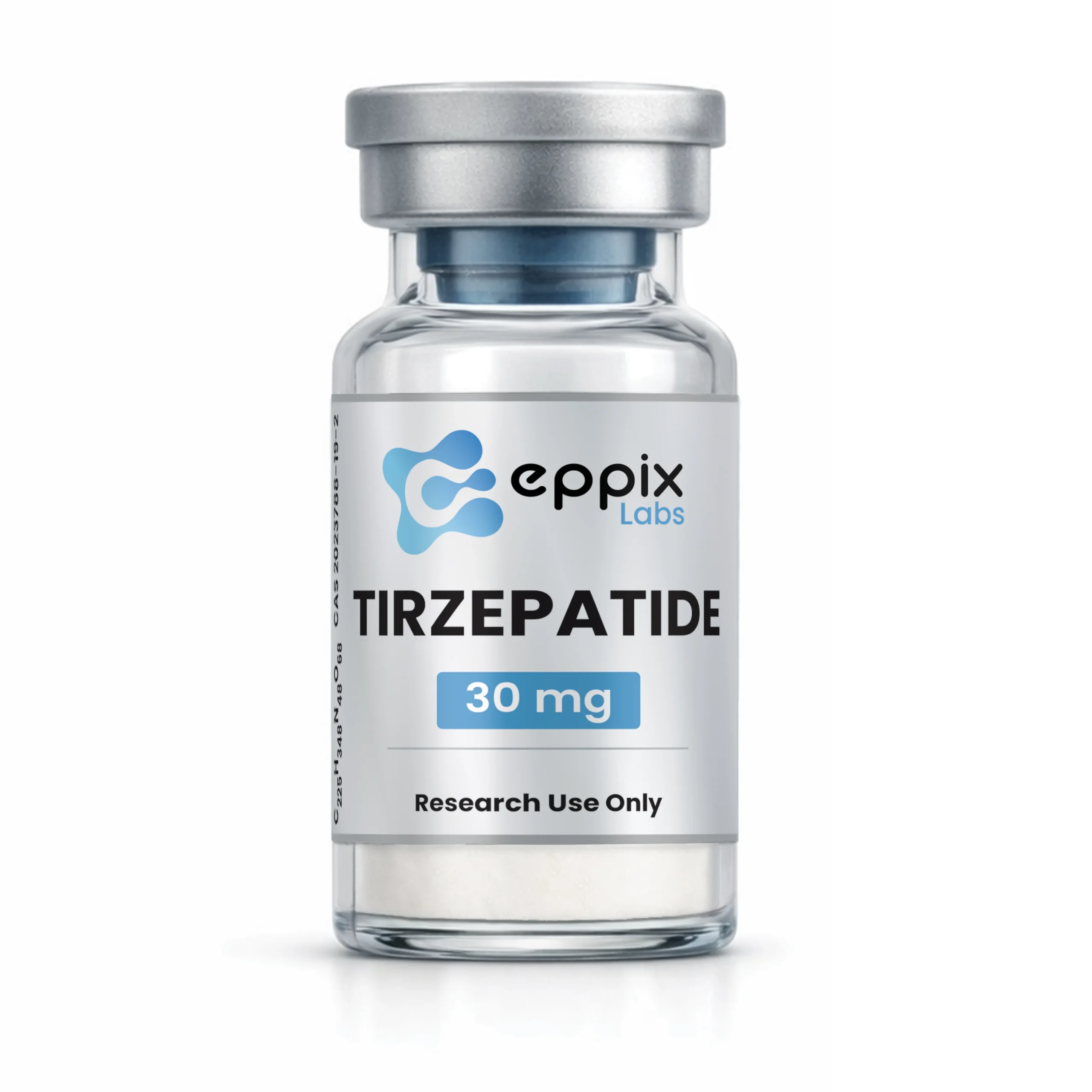
Dual incretin receptor agonist studied for glucose regulation, metabolic signaling, and weight pathway research
From$10.00
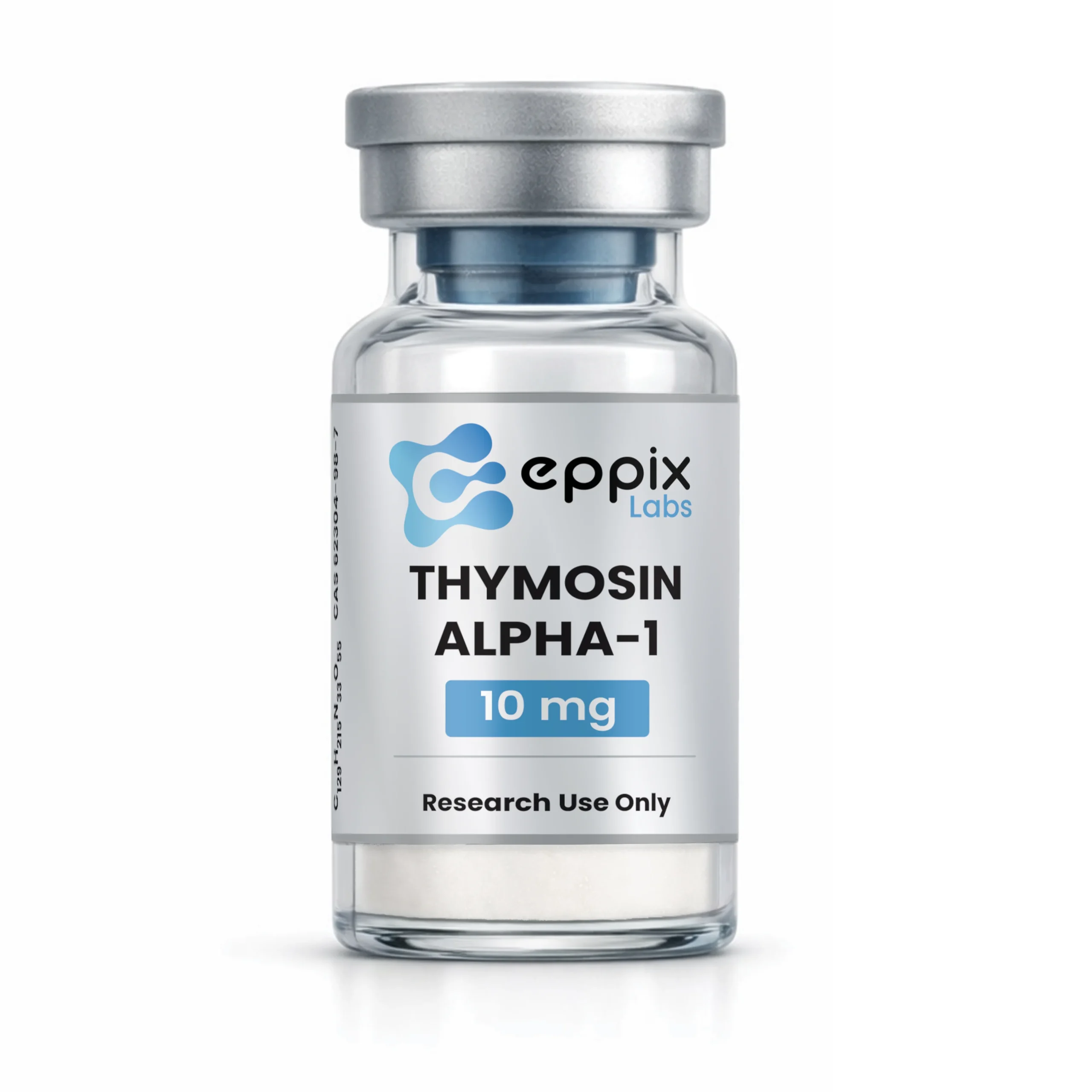
Immune-modulating peptide studied for T-cell signaling and immune system regulatory pathway research
From$70.00
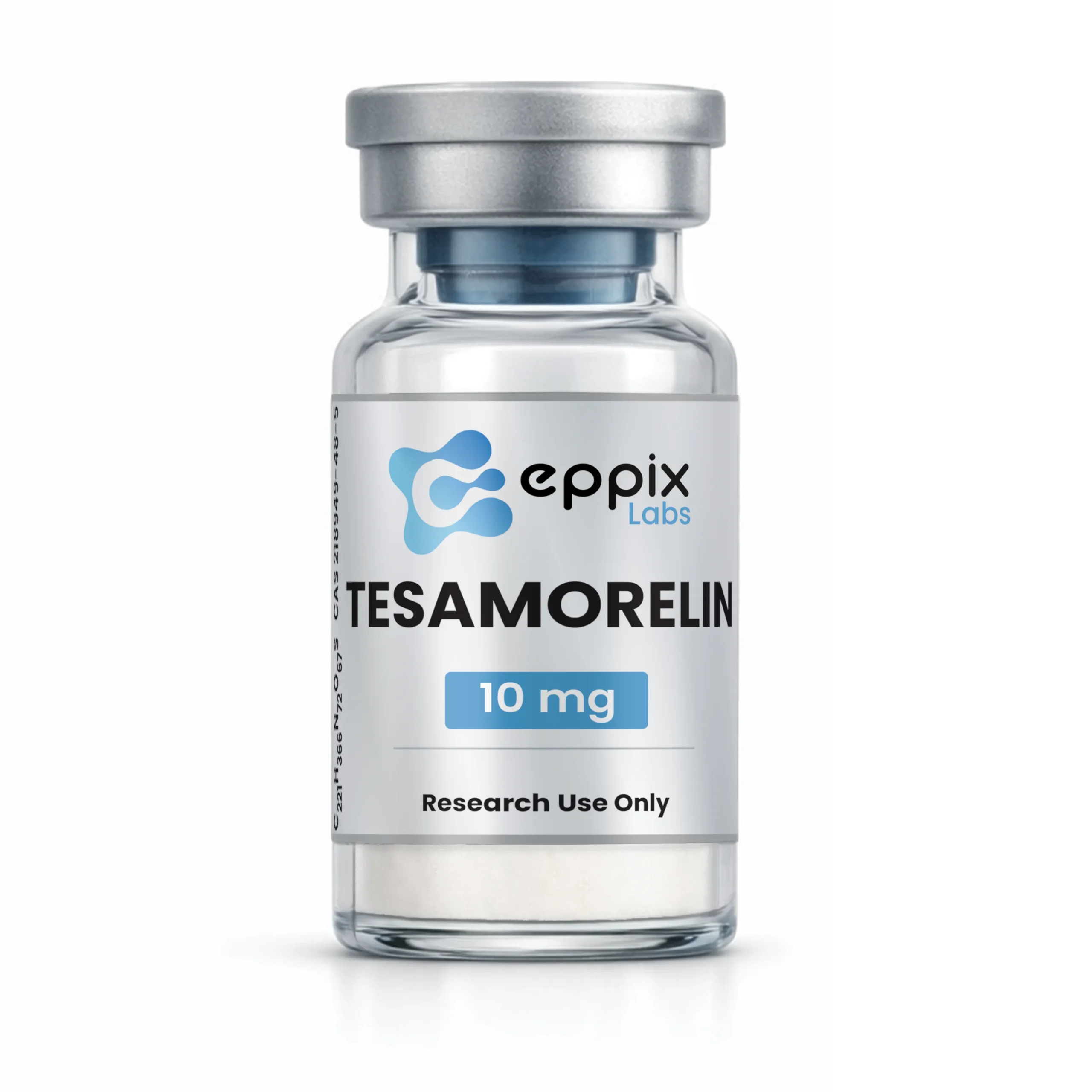
GHRH analog studied for growth hormone regulation and metabolic pathway signaling research
From$95.00